A professional steel structure manufacturer does much more than cut, weld, and deliver steel components. In today’s global construction market, buyers, contractors, and project owners expect manufacturers to meet strict quality standards, maintain full material traceability, and apply effective weld inspection procedures before shipment. These requirements are especially important in industrial, commercial, and civil construction projects where structural safety, code compliance, and long-term durability directly affect project success.
A professional steel structure manufacturer does much more than cut, weld, and deliver steel components. In today’s global construction market, buyers, contractors, and project owners expect manufacturers to meet strict quality standards, maintain full material traceability, and apply effective weld inspection procedures before shipment. These requirements are especially important in industrial, commercial, and civil construction projects where structural safety, code compliance, and long-term durability directly affect project success.
Choosing the right steel structure manufacturer is therefore not only about price. It is also about technical capability, quality management, certified fabrication, inspection control, and the ability to provide reliable project support from design to delivery. Whether the final use is a warehouse, industrial workshop, aircraft hangar, steel office building, supermarket, or road and bridge project, the manufacturer’s internal processes can significantly influence the quality of the finished structure.
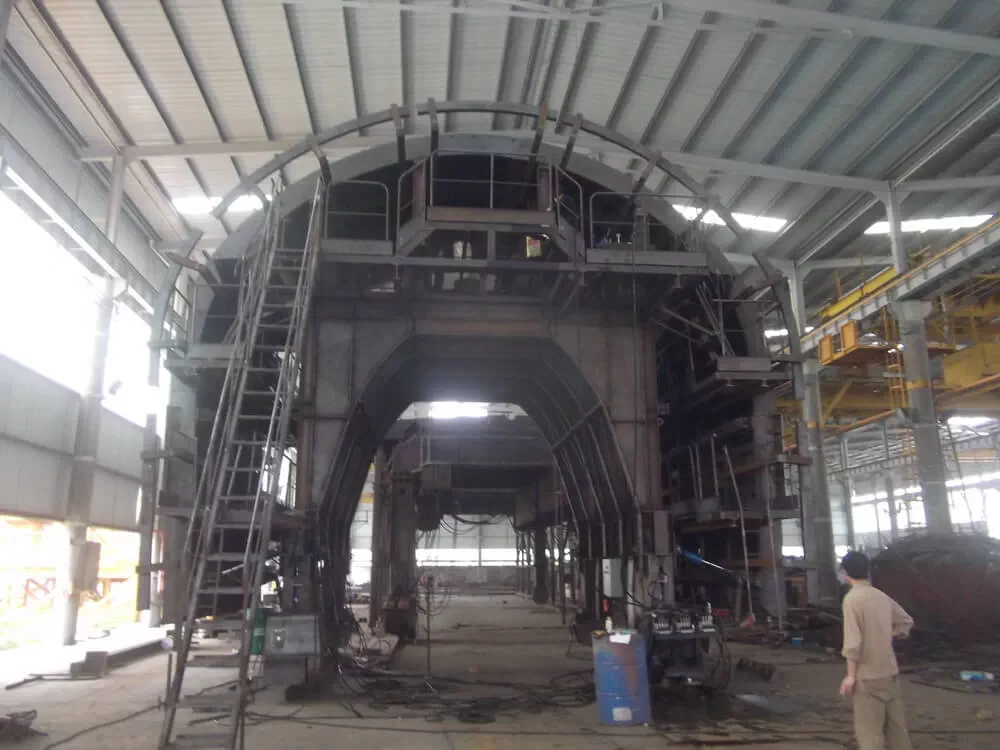
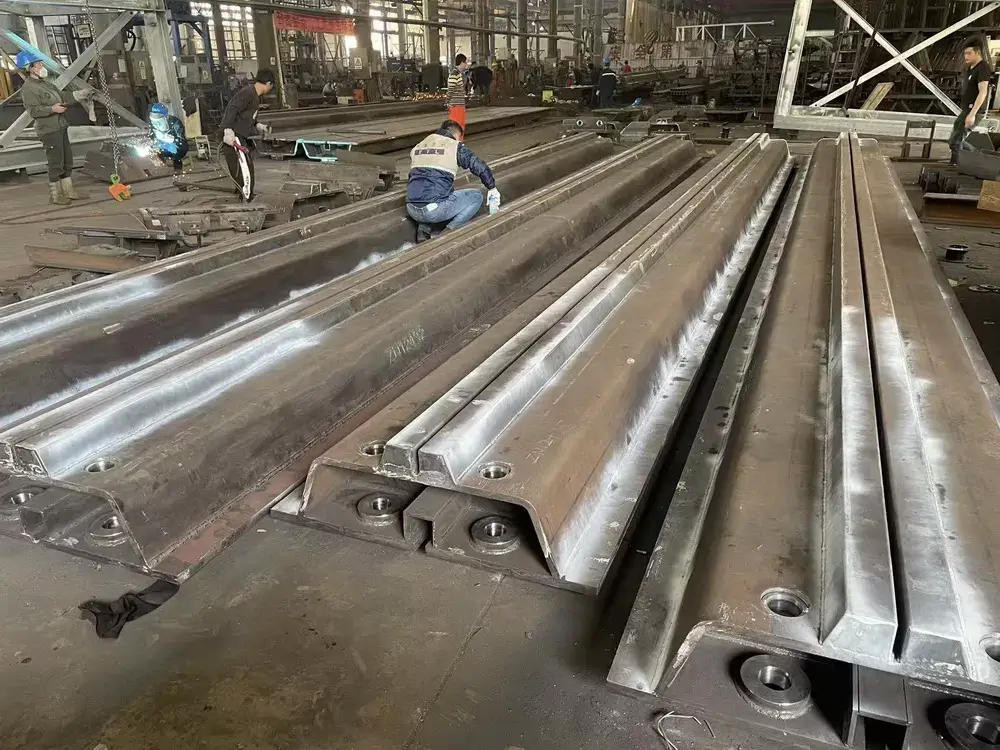
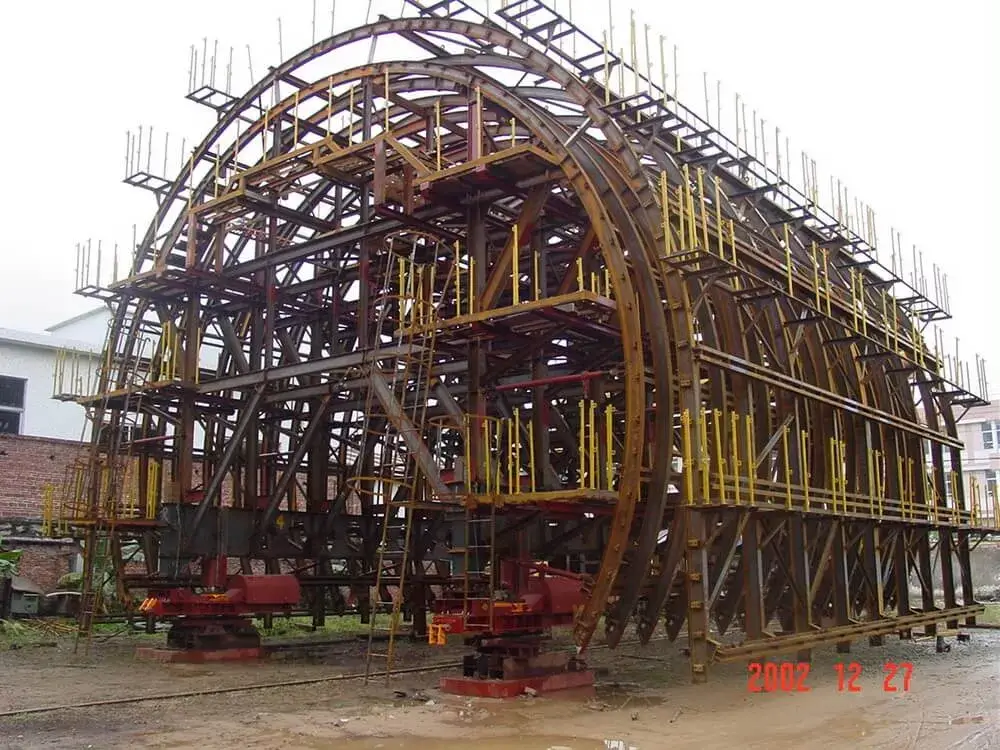
RH Engineering Co., Ltd. is a professional steel structure and steel formwork design and manufacturing company founded in 2016. With more than ten years of experience in the design, manufacturing, and installation of steel structures, steel formwork, and construction equipment, RH serves industrial, commercial, and civil sectors worldwide. The company’s 10,000-square-meter production and painting workshop in Dongguan City is equipped with advanced laser cutting machines, automated welding robots, and a comprehensive quality management system to support precise manufacturing and reliable delivery.
This article explains the three core questions that many buyers ask when evaluating a steel structure manufacturer:
In addition, we will expand these topics to help buyers better understand how quality is built into a steel structure project from procurement to final shipment.
Before discussing certifications, traceability, and inspection, it is important to understand why these factors matter in the first place. Steel structures are widely used in buildings and infrastructure because they offer high strength, efficient fabrication, flexible design, and fast construction. However, these benefits only become real project advantages when the components are manufactured accurately and consistently.
A qualified steel structure manufacturer should be able to provide:
If any of these steps are poorly controlled, the result can be delayed installation, rework on site, structural performance issues, or disputes over quality. For international buyers especially, working with a manufacturer that has a mature internal system is critical because the project team cannot always monitor factory operations in person.
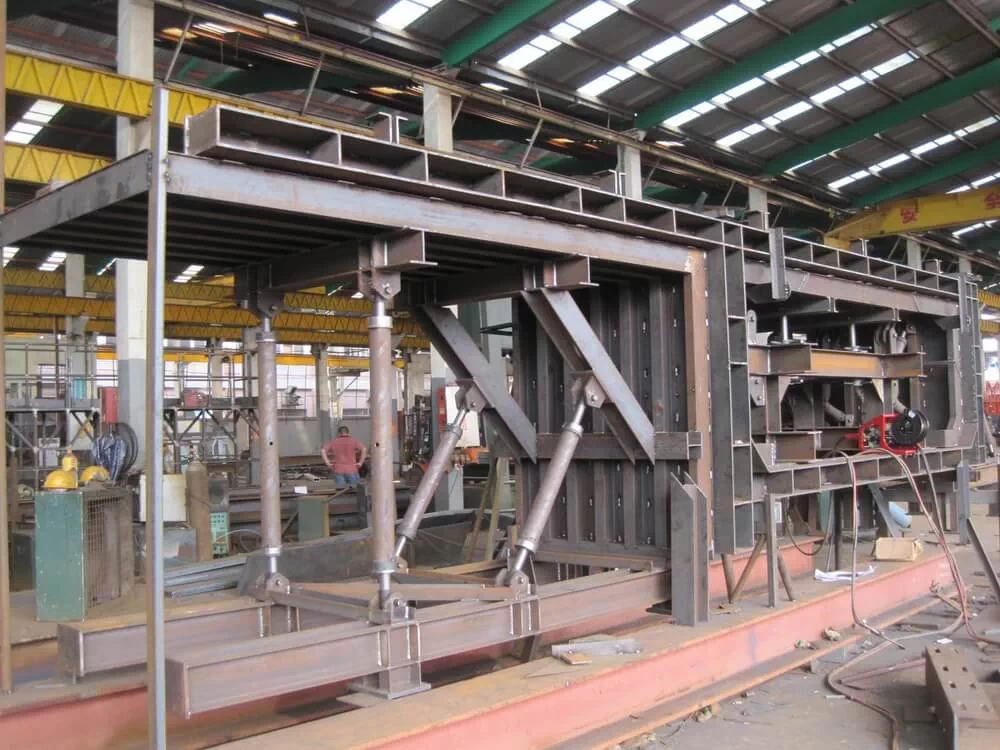
At RH Engineering, quality control is built into each stage of production. Materials are organized and labeled by type and specification, laser cutting ensures precise dimensions, robotic welding improves joint consistency, trial assembly checks overall dimensions, and inspection confirms compliance with drawings before shipment. These factory capabilities are not just operational details; they are part of what defines a dependable steel structure manufacturer.
Certifications in steel structure manufacturing are important because they demonstrate that a manufacturer follows recognized standards for materials, fabrication, welding, inspection, and quality management. For buyers, certifications reduce risk by showing that the manufacturer has structured procedures rather than relying only on general workshop experience.
In many projects, the specific certifications required depend on the country, design code, owner requirements, engineer specifications, and intended use of the structure. A warehouse project, an industrial plant, a bridge-related structure, and a commercial building may not all require exactly the same standard system. However, the principle is the same: the steel structure manufacturer must prove that it can fabricate in accordance with relevant technical and quality requirements.
The most important certification and standards categories usually include the following:
A quality management system certification such as ISO 9001 is commonly requested in global projects. This does not by itself guarantee that the steel structure is compliant with structural codes, but it shows that the manufacturer has documented procedures for process control, records, corrective actions, and quality consistency.
For buyers, this matters because steel structure projects involve many linked stages, including design review, material receiving, cutting, fit-up, welding, inspection, painting, packing, and shipping. A manufacturer with a formal quality management approach is generally better prepared to handle these stages consistently.
Welding is one of the most critical operations in steel structure manufacturing. As a result, many projects require welders to be qualified according to specific standards, and welding procedures must also be approved or qualified. Depending on the project location and standard system, these may align with EN, AS, ASTM-related practice, AWS-related requirements, or project-specific welding codes.
A professional steel structure manufacturer should be able to show that:
RH Engineering states that its welding and manufacturing processes comply with AS, EN, and ASTM standards, which is especially relevant for overseas projects requiring international standard compliance.
Although not always called a “certification” in the same way as ISO or welder qualification, material compliance documentation is essential. Steel used in fabrication should match the required grade, mechanical properties, and chemical composition specified by the project documents.
A reliable steel structure manufacturer should provide material certificates, mill test reports, and internal receiving records to confirm that the correct steel has been purchased and used.
Some projects require coating systems or galvanizing processes to meet specific durability requirements. In coastal, industrial, or corrosive environments, surface treatment quality can significantly affect the service life of the structure.
If the project requires painting or hot-dip galvanizing, the manufacturer should be able to demonstrate process control, coating thickness checks, and compliance with the specified standard.
In practice, many clients request that the manufacturer fabricate according to a nominated standard or project specification. For example:
Because RH Engineering provides steel materials in accordance with European, Australian, and American standards, and performs certificated fabrication in line with AS, EN, and ASTM standards, this is a strong advantage for international projects.
| Certification / Compliance Area | What It Covers | Why It Matters |
|---|---|---|
| Quality management system | Process control, records, inspection workflow, corrective actions | Improves consistency and reduces manufacturing risk |
| Welder qualification | Welder ability for specific welding processes and positions | Helps ensure weld quality and code compliance |
| Welding procedure qualification | Approved welding methods, parameters, and joint performance | Supports structural safety and repeatable fabrication |
| Material certification | Steel grade, chemical composition, mechanical properties | Confirms correct raw materials are used |
| Coating / galvanizing compliance | Surface treatment process and protection level | Improves corrosion resistance and durability |
| Dimensional inspection records | Verification of dimensions against approved drawings | Reduces site fit-up problems and rework |
| Trial assembly records | Confirmation of assembled fit and geometry | Important for complex steel structures |
| Project-specific code compliance | EN, AS, ASTM, or client standard requirements | Ensures the structure is acceptable for the target market |
When evaluating a steel structure manufacturer, buyers should not only ask “Do you have certifications?” but also ask:
These questions help move the conversation from marketing claims to measurable manufacturing capability.
Material traceability in steel structure manufacturing is the ability to identify, track, and verify the origin, grade, and usage of steel materials throughout the production process. In simple terms, it means knowing exactly what material was received, where it was used, and whether it matches project requirements.
This is a core quality control issue for any serious steel structure manufacturer. Without traceability, it becomes difficult to prove that the correct materials were used in the correct structural members. If a problem arises later, the manufacturer may not be able to identify affected components or provide reliable records to the client.
Material traceability matters because structural steel is not just a generic product. Different projects require different steel grades, thicknesses, strength levels, and compliance standards. Using the wrong material can affect:
For international projects, traceability is even more important. Buyers may not visit the factory during every stage of production, so documentation becomes a critical part of quality assurance.
A strong traceability system in a steel structure manufacturer usually includes the following steps:
When raw steel arrives at the factory, it should be checked against purchase orders, mill certificates, and project specifications. Each batch or plate should be identified by heat number, grade, size, or another traceable marking.
At RH Engineering, materials are stacked separately by type and specification with labels affixed. This basic but important practice supports accurate storage and retrieval.
The received material should be linked to the project and to the required component list. This helps ensure that the correct grade is assigned to the correct members during cutting and fabrication.
Once the original plate or section is cut into smaller pieces, the identification should be transferred in a controlled way. Otherwise, traceability can be lost after cutting. Many quality issues occur not at material receiving, but later when cut parts are mixed or not properly labeled.
During fit-up, welding, assembly, and inspection, the manufacturer should maintain records showing how materials move through production. This may include shop travelers, marking systems, inspection reports, or batch production records.
Before delivery, the steel structure manufacturer should be able to provide records that connect final components to the original material certificates and inspection documents.
| Stage | Traceability Action | Main Purpose |
|---|---|---|
| Material receiving | Check steel against PO, MTC, and specifications | Confirm correct materials entered production |
| Storage | Separate by type, grade, thickness, and label clearly | Prevent mixing and selection errors |
| Cutting | Transfer identification to cut parts | Maintain traceability after original pieces are divided |
| Fabrication | Record usage in members or assemblies | Link raw material to fabricated components |
| Inspection | Verify material markings and records | Support compliance and auditability |
| Shipment | Compile certificates and traceability documents | Give clients confidence before installation |
If a manufacturer cannot maintain traceability, several risks appear:
For this reason, traceability is not only a paperwork issue. It directly supports product quality, client trust, and project approval.
RH Engineering’s manufacturing system includes organized material storage, detailed fabrication processes, comprehensive inspection, and trial assembly when required. Combined with a professional design, fabrication, and quality control team, these systems support better traceability and more reliable project management. For a buyer selecting a steel structure manufacturer, these internal controls are often the difference between a basic workshop and a professional manufacturing partner.
Weld inspection is important in steel structures because welded joints directly affect structural safety, load transfer, dimensional stability, and long-term performance. Even when the correct steel grade is used and fabrication dimensions are accurate, poor welding can compromise the entire structure.
A professional steel structure manufacturer must therefore treat welding and weld inspection as critical quality control activities rather than optional checks.
Steel structures are assembled from many individual members, plates, stiffeners, and connection elements. In many cases, welding is used to join these components into larger assemblies that must carry static, dynamic, or environmental loads over many years.
The quality of these welded joints influences:
For buildings, industrial structures, and bridge-related projects, weld defects can create major risks if they are not detected and corrected before shipment.
A steel structure manufacturer should understand the most common weld defects and the need to control them. These may include:
Some defects are visible on the surface, while others may be internal and require nondestructive testing methods to detect.
Weld inspection can involve several levels depending on project requirements:
Visual inspection is the most basic and most widely used inspection method. It checks weld appearance, shape, size, continuity, and obvious surface defects. It is also useful for checking fit-up before welding and dimensional distortion after welding.
Even though it is basic, visual inspection is essential. Many common issues can be identified early through proper visual control.
Welding can affect member straightness, assembly fit, and overall geometry. Dimensional inspection checks whether the fabricated member still meets the approved drawing after welding.
RH Engineering notes that trial assembly confirms the product’s overall dimensions meet drawing specifications, which is an important form of fabrication verification.
Depending on the project, welds may also be checked using nondestructive testing methods such as:
These methods help detect defects that may not be visible externally. The required level of NDT depends on the project standard, joint type, loading condition, and owner requirements.
Weld inspection matters for several reasons:
Poor weld quality can reduce the load-carrying capacity of a connection or assembly. This is the most important reason weld inspection cannot be ignored.
Many projects require documented inspection to show that the fabricated steel meets the specified code or fabrication standard.
When weld quality is checked properly in the factory, clients are less likely to face repair work, delays, or installation problems on site.
Defective welds can trap moisture, create stress concentrations, or lead to cracking over time. This affects long-term performance and maintenance cost.
For overseas buyers especially, inspection documentation gives confidence that the structure has been manufactured to the agreed standard before it leaves the factory.
| Inspection Benefit | Project Impact |
|---|---|
| Detects weld defects early | Reduces repair cost and avoids late-stage failures |
| Supports code compliance | Helps meet client and consultant requirements |
| Improves structural reliability | Enhances load-bearing safety and performance |
| Reduces installation issues | Prevents fit-up and correction problems on site |
| Protects long-term durability | Limits risks of crack growth and corrosion-related weakness |
| Builds trust with clients | Strengthens confidence in manufacturing quality |
RH Engineering’s workshop is equipped with automated welding robots, which help improve welding consistency and overall joint quality. In addition, the company applies strict quality inspection before delivery and uses a regulated manufacturing system in its 10,000-square-meter workshop. For buyers searching for a dependable steel structure manufacturer, this combination of advanced equipment and inspection discipline is a valuable advantage.
These three topics are often discussed separately, but in practice they are closely connected.
A capable steel structure manufacturer integrates all three into one controlled production system. For example, a project may require a certain steel grade under a specific code. Traceability ensures that grade is correctly received and used, while welding qualification and inspection ensure that the joint performance is not compromised during fabrication.
When these systems work together, the result is:
When sourcing internationally, buyers should look beyond simple production capacity and ask deeper quality questions. A good steel structure manufacturer should be able to explain:
RH Engineering’s capabilities align well with these buyer concerns. The company offers detail design support, material procurement in accordance with European, Australian, and American standards, certificated fabrication to AS, EN, and ASTM standards, painting and hot-dip galvanizing options, and global logistics support. Its location near the seaport also supports efficient export delivery.
RH Engineering Co., Ltd. combines engineering capability, manufacturing experience, and export-oriented production management. Founded in 2016 and supported by more than ten years of industry experience, the company serves industrial, commercial, and civil projects with steel structures, steel formwork, and construction equipment.
Key strengths include:
For buyers looking for a steel structure manufacturer that can support quality, schedule, and customization, RH Engineering offers a practical and well-structured solution.
You should ask about applicable standards, welding qualifications, material certificates, inspection procedures, traceability systems, surface treatment options, trial assembly capability, and export logistics support. These questions help you evaluate whether the manufacturer can truly meet your project requirements.
Yes. Material certificates are important because they confirm the steel grade, chemical composition, and mechanical properties of the raw materials used in fabrication. They are also an essential part of traceability and project documentation.
The inspection level varies by project, but weld inspection is important for all steel structure projects. At minimum, visual inspection and dimensional checks should be applied. More critical projects may require additional nondestructive testing.
For exported steel structures, traceability helps overseas buyers verify that the correct materials were used, supports project approvals, reduces quality disputes, and strengthens trust when factory visits are limited.
Yes, an experienced manufacturer can often work to multiple standard systems depending on project requirements. RH Engineering, for example, states that it can provide steel materials and fabrication in accordance with EN, AS, and ASTM standards.
Steel structure manufacturing is widely used in industrial, commercial, and civil fields, including industrial workshops, warehouses, aircraft hangars, office buildings, supermarkets, and road and bridge construction.
A qualified steel structure manufacturer should offer more than fabrication capacity. It should provide a complete quality system that includes recognized certifications or standard compliance, material traceability, and weld inspection. These three factors are essential to structural safety, project compliance, installation efficiency, and long-term durability.
For project owners, contractors, and procurement teams, asking the right technical questions early can prevent expensive problems later. The best manufacturing partner is one that combines engineering understanding, advanced production equipment, strict inspection discipline, and reliable export support.
RH Engineering Co., Ltd. is committed to delivering high-performance steel structures, steel formwork, and construction equipment for industrial, commercial, and civil projects worldwide. With a modern workshop in Dongguan City, experienced professionals, advanced laser cutting and robotic welding equipment, and a strong focus on quality inspection before delivery, RH continues to support clients with dependable manufacturing and efficient project service.
If you are looking for a reliable steel structure manufacturer for a warehouse, industrial workshop, bridge-related structure, commercial building, or other steel project, RH Engineering is ready to support you. Our team can assist with detail design, material procurement, fabrication, surface treatment, inspection, and export delivery based on your project requirements.
Send us your drawings, specifications, or inquiry details, and we will help you evaluate the most suitable manufacturing solution for your project. Working with an experienced steel structure manufacturer can reduce project risk, improve quality consistency, and help your project move forward with greater confidence.
What We Provide!
We are the best manufacturer of the products and can provide professional solutions for you. Please feel free to contact us for a quick quote now!
You can get a price of this model or send us any question to get any information you would like to know, we will reply to you soonest.