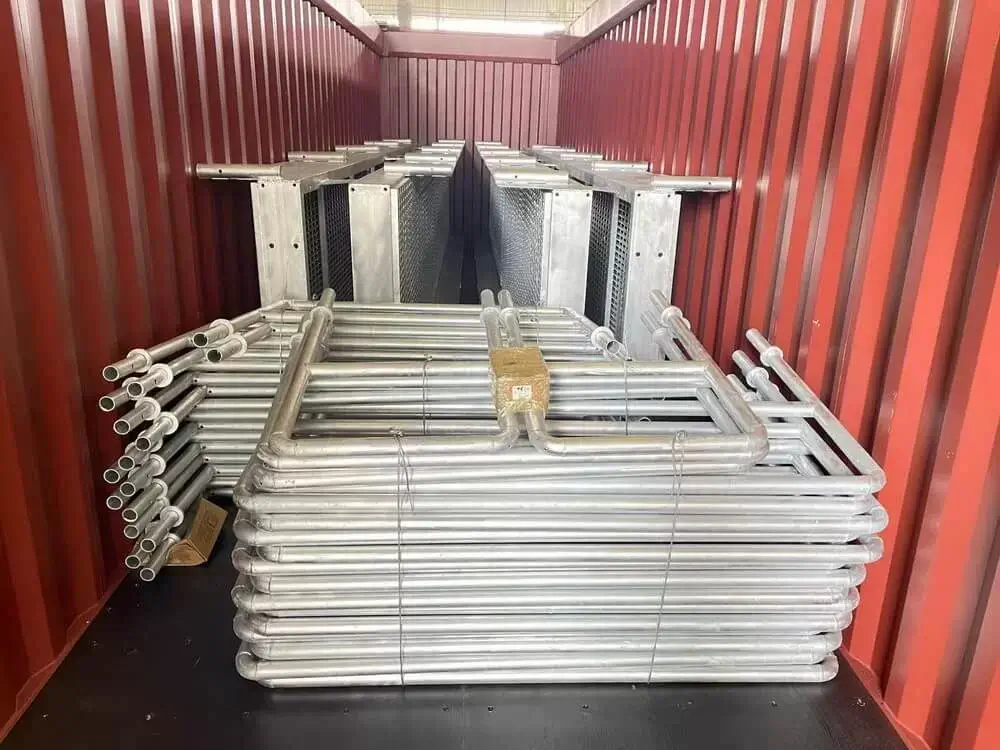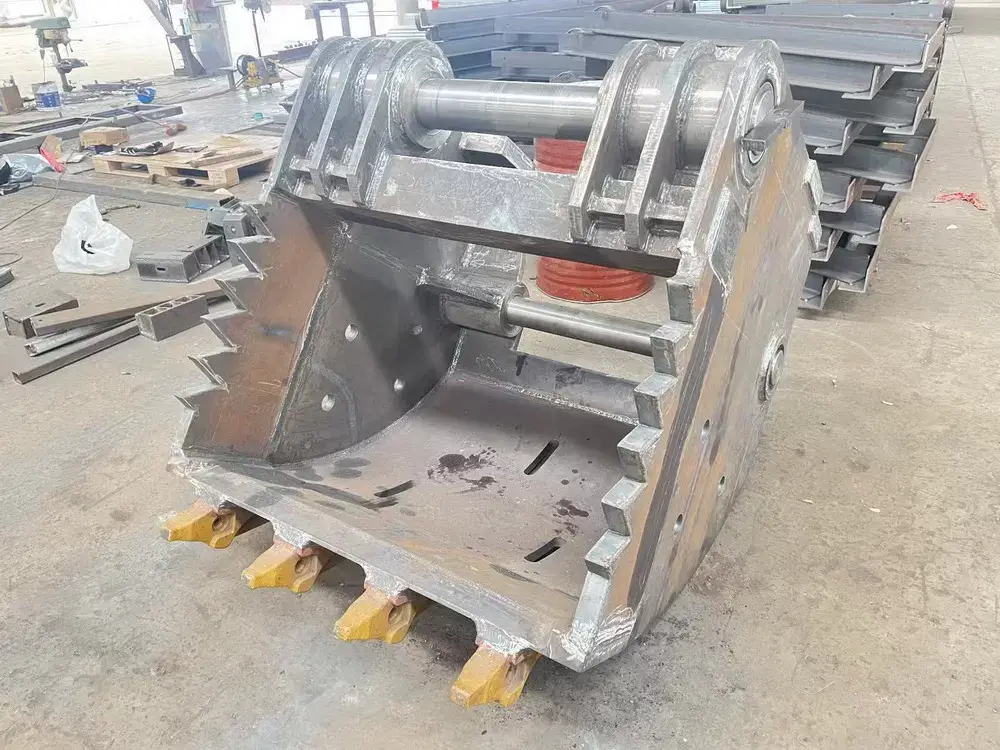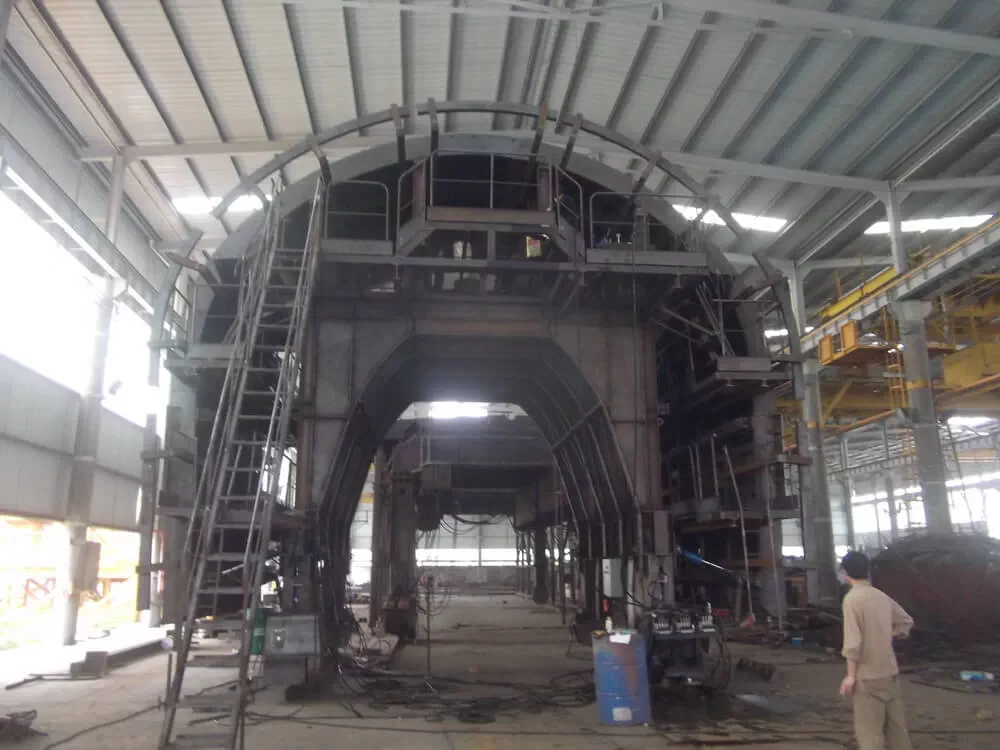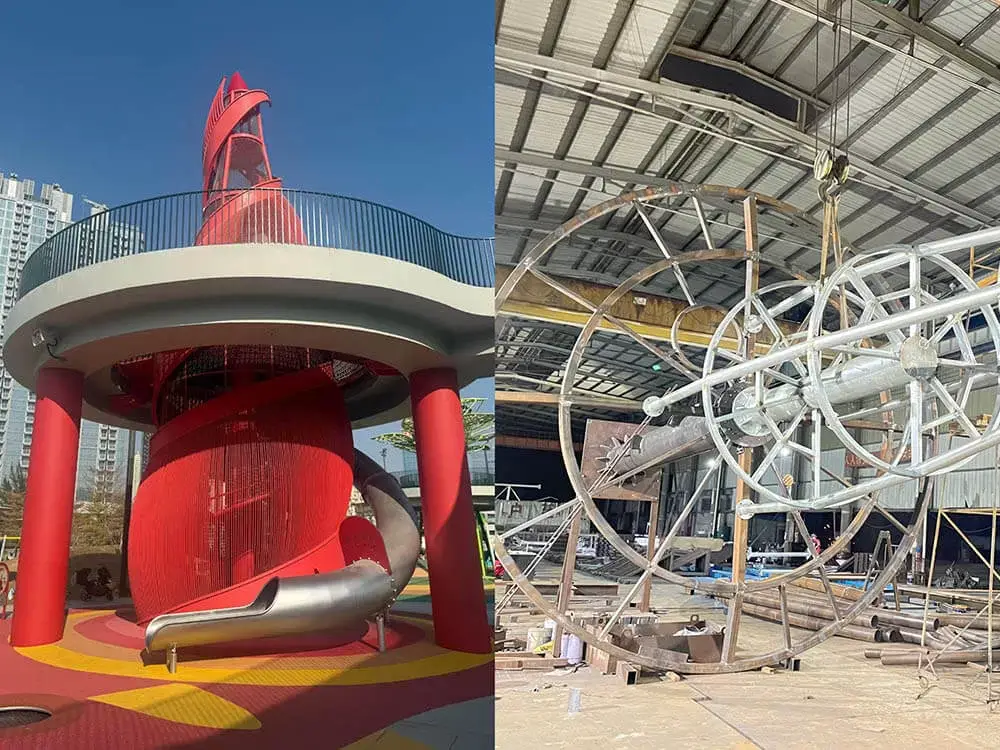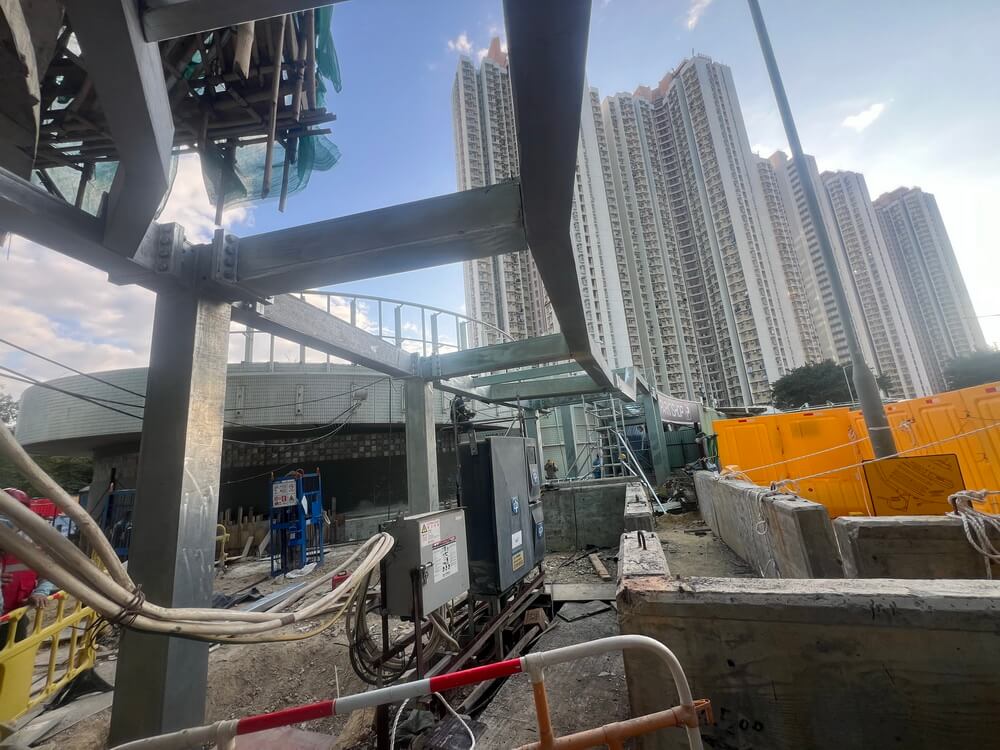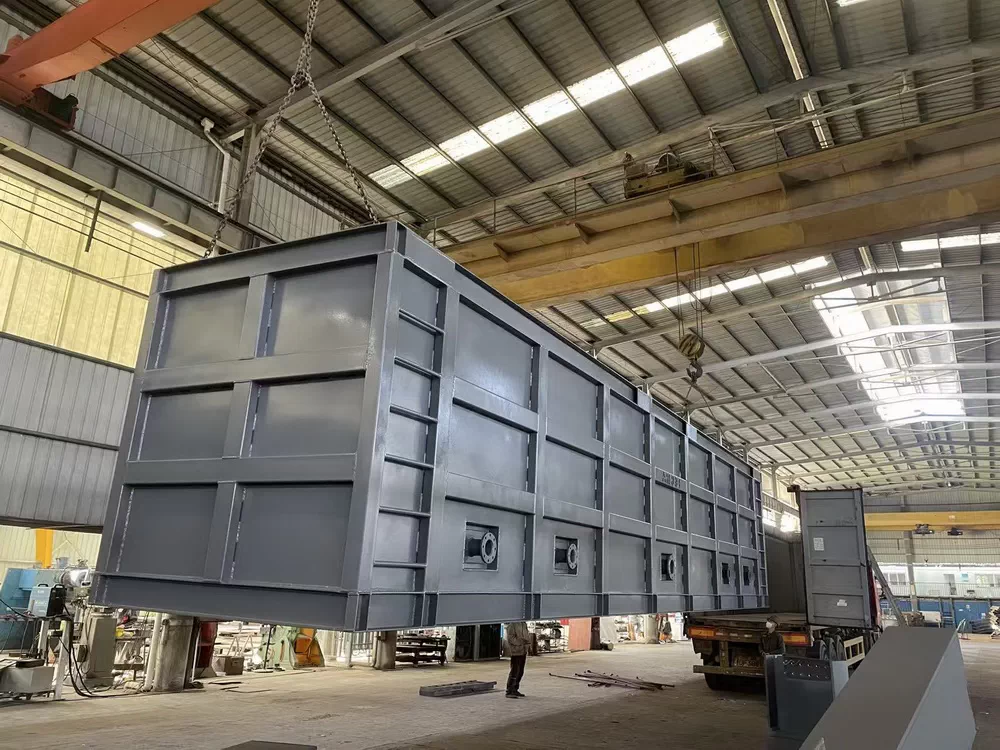

Steel structure manufacturer selection is one of the most important decisions in any industrial, commercial, or civil construction project. Whether you are sourcing steel for a warehouse, industrial workshop, aircraft hangar, steel office building, supermarket, or road and bridge project, the quality of the manufacturer directly affects structural performance, installation efficiency, long-term durability, and total project cost.
Steel structure manufacturer selection is one of the most important decisions in any industrial, commercial, or civil construction project. Whether you are sourcing steel for a warehouse, industrial workshop, aircraft hangar, steel office building, supermarket, or road and bridge project, the quality of the manufacturer directly affects structural performance, installation efficiency, long-term durability, and total project cost.
In today’s global construction market, buyers are no longer focused only on fabrication capacity or price per ton. They also want to know whether a steel structure manufacturer can ensure dimensional accuracy, comply with recognized international standards, and provide documented quality control before delivery. These points are especially critical for overseas projects, where project owners, contractors, and consultants may not be able to inspect the factory in person during every stage of production.
This article provides a detailed guide built around three important questions frequently asked by buyers, EPC contractors, developers, and procurement teams:
Using these questions as the foundation, we will also expand into quality control systems, workshop technology, fabrication management, material handling, welding, inspection, and buyer evaluation methods. If you are searching for a reliable steel structure manufacturer for an international project, this guide will help you understand what really matters before placing an order.
A steel structure project is not simply about producing steel members. It is a coordinated engineering and manufacturing process involving detailed drawings, material procurement, cutting, fitting, welding, inspection, surface treatment, logistics, and installation support. If any of these steps are poorly controlled, the consequences can include dimensional mismatch, delayed erection, costly site rework, coating problems, documentation issues, or even structural risk.
That is why a qualified steel structure manufacturer should offer more than basic workshop production. A strong manufacturer should be able to provide:
RH Engineering Co., Ltd. was founded in 2016 and has more than ten years of experience in the design, manufacturing, and installation of steel structures, steel formwork, and construction equipment. Its products are used in industrial, commercial, and civil fields, including large-span industrial workshops, warehouses, aircraft hangars, steel office buildings, supermarkets, and road and bridge construction projects. This practical project background is important because real manufacturing capability comes from repeated experience in solving complex fabrication and construction issues.
Dimensional accuracy in steel structures means that every fabricated member, plate, connection, and assembled component matches the approved drawings, specified tolerances, and project requirements. A professional steel structure manufacturer ensures dimensional accuracy through a combination of engineering review, accurate equipment, disciplined workshop procedures, measurement control, and final inspection.
This is a major issue in structural steel fabrication because even small dimensional deviations can create serious installation problems on site. Misaligned holes, incorrect beam lengths, twisted members, or inaccurate connection plates can delay erection, require rework, increase labor costs, and affect structural alignment.
Steel structures are fabricated off-site and then transported to the project location for installation. Unlike cast-in-place construction, most structural members must fit together exactly once they arrive on site. If they do not, the project team may face:
For large projects such as warehouses, aircraft hangars, industrial plants, and bridge-related structures, dimensional accuracy is especially important because cumulative tolerances can affect the overall geometry of the building or system.
The first step in ensuring dimensional accuracy is not in the workshop, but in the engineering office. A competent steel structure manufacturer should review the project drawings carefully and prepare accurate detail shop drawings before fabrication begins.
Shop drawings convert design intent into practical manufacturing information. They define exact dimensions, hole locations, plate sizes, weld details, assembly relationships, and connection geometry. If shop drawings are unclear or inconsistent, production errors become much more likely.
RH Engineering states that it can provide detail shop drawings according to the client’s design. This is an important capability because dimensional control begins with correct detailing, not only with cutting accuracy.
Dimensional accuracy also depends on proper material control. If the wrong thickness, section size, or plate specification is selected, the fabricated component may not match the drawing even if the cutting operation itself is precise.
In a well-managed workshop, materials are stacked separately by type and specification and clearly labeled. RH Engineering highlights this practice in its material workshop. This approach reduces the risk of mixing materials and helps production teams retrieve the correct raw steel for each component.
One of the most direct ways a steel structure manufacturer ensures dimensional accuracy is by using advanced cutting technology. High-power laser cutting machines allow manufacturers to achieve precise dimensions, cleaner edges, and better repeatability than less advanced manual methods.
RH Engineering’s workshop is equipped with high-power laser cutting machines. In practical terms, this helps improve:
Accurate cutting is the foundation of accurate assembly. If parts are cut incorrectly, later fabrication steps cannot fully recover the lost precision.
Before welding begins, steel parts must be positioned correctly. Fit-up control checks whether the components are aligned according to the drawing and whether gaps, angles, and joint positions are within acceptable limits.
This stage matters because welding locks the geometry into place. If components are poorly aligned before welding, the final member may be out of tolerance even if the weld itself is sound. A reliable steel structure manufacturer uses jigs, fixtures, calibrated measuring tools, and process checks to control fit-up before welding.
Welding is another major factor affecting dimensional accuracy. Heat from welding can cause shrinkage, bending, twisting, or distortion if not properly managed. This is why advanced manufacturers invest in welding equipment and process control.
RH Engineering uses automated welding robots in its welding workshop. Robotic welding helps improve consistency, joint quality, and repeatability. While robots do not eliminate all distortion risk, they help standardize welding paths and reduce variation compared with purely manual operations.
Good distortion control may also include:
A professional steel structure manufacturer does not wait until the end of production to discover errors. Instead, dimensional checks are carried out during multiple stages of fabrication. These may include checking cut parts, sub-assemblies, welded members, and final assemblies.
Typical dimensional inspection items include:
RH Engineering states that comprehensive inspections ensure each product meets standards and drawing specifications. This is one of the clearest indicators that the company understands dimensional control as part of a broader quality management system.
For more complex projects, a strong steel structure manufacturer may perform trial assembly before shipment. This means assembling selected components, or sometimes complete module groups, in the factory to verify that overall dimensions and connection relationships match the design.
RH Engineering specifically notes that its assembly workshop carries out trial assembly to confirm that the product’s overall dimensions meet the drawing specifications. This is an important quality step, especially for:
Trial assembly reduces installation risk because problems can be identified and corrected in the factory rather than on the construction site.
| Control Stage | Main Action | Why It Matters |
|---|---|---|
| Shop drawing preparation | Convert design into accurate fabrication details | Prevents interpretation errors before production |
| Material storage and labeling | Separate materials by type and specification | Reduces wrong material selection |
| Laser cutting | Use advanced cutting equipment for precise dimensions | Improves accuracy and repeatability |
| Fit-up inspection | Check alignment before welding | Prevents geometry errors from being locked in |
| Welding control | Use controlled processes and robotic welding | Reduces distortion and improves consistency |
| In-process inspection | Measure members during fabrication | Finds errors early before shipment |
| Trial assembly | Verify overall dimensions and fit-up | Reduces site installation risk |
| Final inspection | Check finished components against drawings | Ensures delivery compliance |
The difference between ASTM, EN, and AS standards for steel structures mainly lies in their regional origins, technical frameworks, material references, testing methods, and application environments. A qualified steel structure manufacturer should understand these standards because global projects often specify one of them, or a combination of them, depending on where the project is located and which design code the engineer follows.
In simple terms:
Understanding the difference helps buyers communicate clearly with their supplier and avoid compliance mistakes during procurement and fabrication.
ASTM standards are often used to define material grades, testing procedures, chemical composition, mechanical properties, and sometimes related fabrication references for steel used in construction. In many international projects with American influence, ASTM material standards are specified for structural steel plates, sections, bolts, or testing methods.
For buyers, the key point is that ASTM references often focus strongly on material specification and verification. If a project calls for ASTM-compliant material, the steel structure manufacturer should be able to procure and document steel that matches the specified requirements.
EN standards are part of the European standard system and are commonly used in European projects or in export projects where European compliance is required. These standards often interact closely with broader design and execution frameworks used in structural steelwork.
In practice, EN-related requirements can influence:
A steel structure manufacturer serving international markets should understand how EN requirements affect both procurement and workshop operations.
AS standards are associated with Australia and are often used for projects in that market or projects built to Australian engineering specifications. These standards can govern steel materials, fabrication practices, welding expectations, and inspection requirements relevant to the Australian construction environment.
For steel exporters, AS compliance is especially important because Australian projects often require strict adherence to specification, documentation, and quality procedures. Manufacturers that already work to AS requirements have a practical advantage when serving that market.
| Standard System | Main Region | Common Focus | Why It Matters to Buyers |
|---|---|---|---|
| ASTM | United States / American-based projects | Material specifications, testing methods, mechanical and chemical requirements | Helps verify that steel materials meet project-defined performance requirements |
| EN | Europe / European-related projects | Material standards, fabrication framework, execution and compliance requirements | Important for projects requiring European market acceptance and documentation |
| AS | Australia / Australian-related projects | Design-related requirements, fabrication quality, welding and compliance expectations | Critical for projects built to Australian engineering and construction standards |
Not every factory can work effectively across multiple standard systems. Some manufacturers are familiar only with local production practices, while international projects require more advanced documentation, material sourcing, and fabrication discipline.
RH Engineering states that it can provide steel materials in accordance with European, Australian, and American standards, and that its welding and manufacturing processes comply with AS, EN, and ASTM standards. For buyers, this is an important advantage because it suggests the company is prepared to support projects that require multiple international references.
When choosing a steel structure manufacturer, you should confirm not only whether the company knows the names of these standards, but whether it can apply them in real manufacturing practice. This includes procurement, fabrication, inspection, and record control.
You can know if a steel structure manufacturer meets international standards by evaluating its factory capability, engineering process, material procurement system, fabrication methods, welding control, inspection procedures, quality documentation, and project experience. A professional supplier should be able to demonstrate these areas clearly with both operational evidence and project records.
Many suppliers claim they can meet international standards, but serious buyers need a more structured evaluation method. The goal is not only to hear sales promises, but to verify whether the manufacturer has a complete system that supports compliance.
A manufacturer that serves overseas projects should be able to source steel materials according to the required standard system. If your project requires European, Australian, or American specifications, the supplier should understand what material documents, grades, and compliance records are needed.
RH Engineering states that it can provide steel materials in accordance with European, Australian, and American standards. This is one of the first signs that the company is prepared for export-oriented steel structure manufacturing.
International compliance is not only about paperwork. It also depends on whether the workshop has the right equipment to produce accurate and consistent components. A capable steel structure manufacturer should have equipment that supports precision, efficiency, and repeatable quality.
RH Engineering’s 10,000-square-meter production and painting workshop includes high-power laser cutting machines and automated welding robots. These are important because they help improve cutting precision, weld consistency, and manufacturing reliability.
One of the strongest indicators of international capability is a structured quality management system. A professional manufacturer should control the full process from raw material receiving to final delivery. This includes incoming inspection, in-process control, dimensional checks, weld inspection, and final verification before shipment.
RH Engineering emphasizes that it has a comprehensive quality management system and stringent quality inspection processes to ensure all components pass inspection before delivery. This directly addresses one of the most important concerns for overseas buyers.
Welding quality is a critical part of steel structure manufacturing. If the project requires compliance with AS, EN, or ASTM-related fabrication practices, the manufacturer should be able to explain how its welding and manufacturing processes are controlled.
RH Engineering states that its certificated fabrication processes comply with AS, EN, and ASTM standards. Buyers should also ask whether the supplier can provide supporting fabrication records, inspection reports, and relevant welding documentation.
International projects often require tight dimensional control, especially when structures are exported in containers and installed later under strict site schedules. Manufacturers that perform trial assembly and dimensional verification provide a stronger level of assurance.
RH Engineering’s assembly workshop performs trial assembly to confirm that overall dimensions meet the drawing specifications. This is a practical indicator of serious quality control.
Experience matters. A steel structure manufacturer that has already completed international projects is more likely to understand export packing, document preparation, communication with foreign clients, shipping coordination, and market-specific quality expectations.
RH Engineering highlights its experience in overseas projects and its ability to provide detailed design, procurement, manufacture, and project construction management. This wider service range is valuable because international projects often require more than simple fabrication.
For export projects, reliable delivery is part of international performance. Manufacturing quality can still create project problems if packing is poor, shipping is delayed, or documentation is incomplete. A good steel structure manufacturer should have practical logistics capability and access to shipping support.
RH Engineering is located in Dongguan City, near the seaport, and states that it partners with trusted shipping companies to provide reliable and cost-effective transportation solutions. This helps support efficient global delivery.
| Evaluation Area | What to Check | Why It Is Important |
|---|---|---|
| Material compliance | Ability to source materials to EN, AS, or ASTM requirements | Ensures project-required raw steel is used |
| Workshop equipment | Laser cutting, welding robots, organized fabrication flow | Supports precision and consistent quality |
| Quality system | Incoming inspection, in-process control, final inspection | Reduces manufacturing risk |
| Welding control | Compliance with required fabrication and welding standards | Protects structural safety and acceptance |
| Dimensional verification | Inspection and trial assembly | Prevents site fit-up issues |
| Overseas experience | Export project history and technical communication ability | Improves reliability in international cooperation |
| Logistics support | Packing, shipping coordination, seaport access | Helps ensure smooth delivery |
Although the three core questions above are essential, buyers should also evaluate several related areas when comparing suppliers.
Surface treatment affects durability, corrosion resistance, and long-term maintenance cost. RH Engineering can provide both painting and hot-dip galvanizing for surface treatment. This is important for projects in marine, humid, industrial, or corrosive environments.
Complex projects require coordination between engineers, production personnel, quality inspectors, and project managers. RH Engineering has a 60-member professional team in design, fabrication, and quality control. This kind of staffing structure is useful because technical communication is often just as important as workshop machinery.
A strong steel structure manufacturer should ideally support multiple stages of the project, including detailing, procurement, fabrication, inspection, and delivery. RH Engineering’s services include detailed design, procurement, manufacture, and project construction management, which can simplify coordination for clients.
Based on the company profile provided, RH Engineering offers several strengths that are highly relevant for international buyers looking for a dependable steel structure manufacturer:
These strengths matter because international buyers usually need more than low pricing. They need consistency, traceability, technical understanding, and confidence that the finished steel components will arrive ready for efficient installation.
You should ask about the standards they work to, whether they can provide detail shop drawings, how they control dimensional accuracy, what inspection procedures they use, whether they perform trial assembly, and how they manage export packing and logistics.
Ask the manufacturer about material procurement, fabrication standards, welding processes, and inspection documentation. A qualified supplier should be able to explain how it sources compliant materials and how its workshop processes align with the required standards.
Dimensional accuracy is essential because steel members are prefabricated and must fit together correctly on site. Poor accuracy can cause installation delays, rework, alignment problems, and extra project costs.
Yes. Trial assembly is an effective way to confirm that fabricated components fit together correctly and that the overall dimensions match the approved drawings before shipment.
Yes, but only if the manufacturer has experience with different standard systems, material requirements, and export procedures. Manufacturers like RH Engineering that work with EN, AS, and ASTM-related requirements are better positioned for global projects.
Advanced equipment such as laser cutting machines and automated welding robots helps improve dimensional precision, welding consistency, and production efficiency, which all contribute to better project quality.
Choosing the right steel structure manufacturer requires more than comparing quotations. Buyers need to understand how dimensional accuracy is controlled, what ASTM, EN, and AS standards mean for fabrication, and how to verify whether a manufacturer truly meets international requirements. These are not just technical details. They directly affect project quality, installation efficiency, schedule reliability, and long-term structural performance.
A manufacturer that combines accurate detail design, organized material management, advanced cutting equipment, automated welding, strict inspection, trial assembly, and export experience is far better positioned to support successful global projects. RH Engineering demonstrates these capabilities through its 10,000-square-meter workshop, professional team, advanced manufacturing equipment, comprehensive quality management system, and ability to work with EN, AS, and ASTM standards.
If you are looking for a reliable steel structure manufacturer for warehouses, industrial workshops, aircraft hangars, steel office buildings, supermarkets, road and bridge construction, or other custom steel projects, RH Engineering is ready to support your requirements. Our team can assist with detail design, material procurement, fabrication, surface treatment, quality inspection, and export delivery based on your project specifications.
Send us your drawings, technical requirements, or inquiry details to discuss the most suitable steel structure solution for your project. Working with an experienced steel structure manufacturer can help reduce risk, improve quality consistency, and support stronger project results from fabrication to final installation.
What We Provide!
We are the best manufacturer of the products and can provide professional solutions for you. Please feel free to contact us for a quick quote now!
You can get a price of this model or send us any question to get any information you would like to know, we will reply to you soonest.