
Navigating financial parameters in commercial architecture requires a direct alignment with an experienced steel structure manufacturer. In international industrial construction, pricing mechanisms are rarely linear or universal. Project stakeholders frequently discover vast discrepancies when analyzing competitive proposals for pre-engineered structural steel frames, deep-draw metal roof assemblies, and large-span portal frames. To build an accurate project budget, developers must dissect the variable components that dictate market costs, from raw global metallurgical feedstocks to automated factory precision metrics. Working with a highly specialized global steel structure manufacturer allows procurement managers to balance material expenditures against long-term asset performance, safety compliance, and speed of assembly.
Navigating financial parameters in commercial architecture requires a direct alignment with an experienced steel structure manufacturer. In international industrial construction, pricing mechanisms are rarely linear or universal. Project stakeholders frequently discover vast discrepancies when analyzing competitive proposals for pre-engineered structural steel frames, deep-draw metal roof assemblies, and large-span portal frames. To build an accurate project budget, developers must dissect the variable components that dictate market costs, from raw global metallurgical feedstocks to automated factory precision metrics. Working with a highly specialized global steel structure manufacturer allows procurement managers to balance material expenditures against long-term asset performance, safety compliance, and speed of assembly.
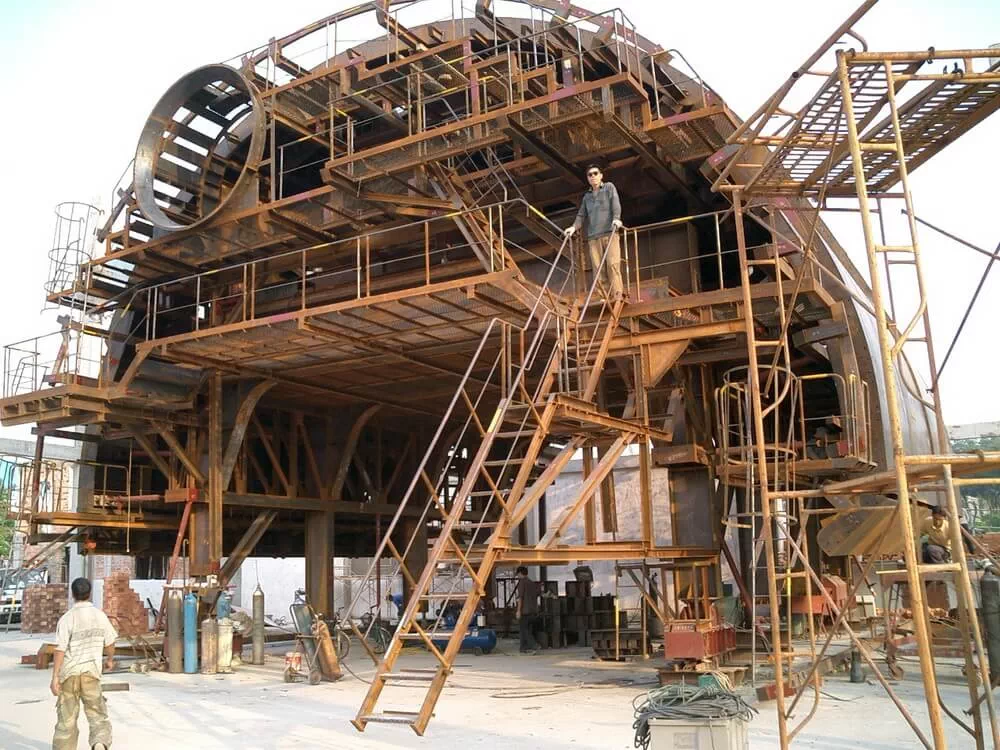
Corporate Brief: RH Engineering Co., Ltd. Established in 2016, RH Engineering Co., Ltd. combines more than ten years of specialized industrial experience in the engineering design, advanced precision manufacturing, and professional structural installation of high-capacity steel structures, custom steel formwork systems, and industrial construction equipment. Our high-performance products serve industrial, commercial, and civil infrastructure markets worldwide. Notable project achievements encompass large-span industrial workshops, automated logistics warehouses, strategic aircraft hangars, commercial multi-story steel office complexes, large supermarkets, and major road & bridge engineering frameworks.
The primary reason why steel structure prices differ significantly between suppliers stems from variations in engineering design efficiency, factory automation levels, raw material grades, quality management standards, and regional transport logistics. When evaluating competitive estimates, procurement teams often make the mistake of comparing simple weight metrics without looking into the underlying engineering calculations and manufacturing methodologies implemented by each vendor.
A sophisticated steel structure manufacturer utilizes advanced 3D structural engineering design software to perform finite element analysis (FEA). This process optimizes structural frame configurations to carry site-specific loads with maximum efficiency. Less advanced suppliers often rely on standardized, over-engineered assumptions that add unnecessary dead weight to the structural frame, or they might under-engineer critical connections to lower initial bidding prices, which risks field component structural failure.
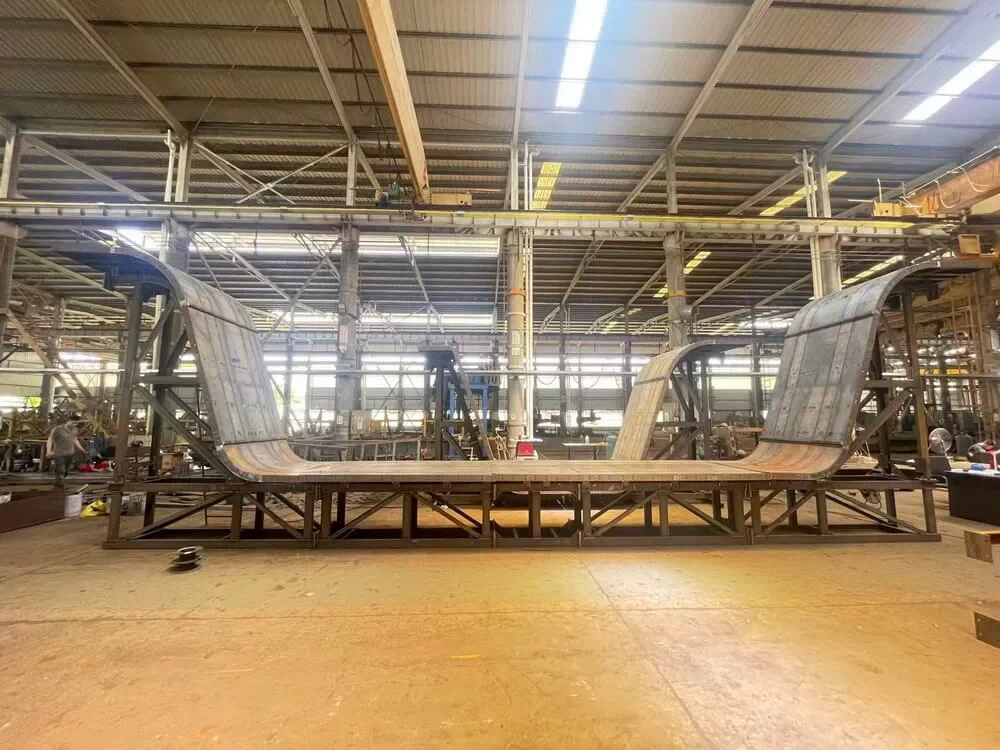
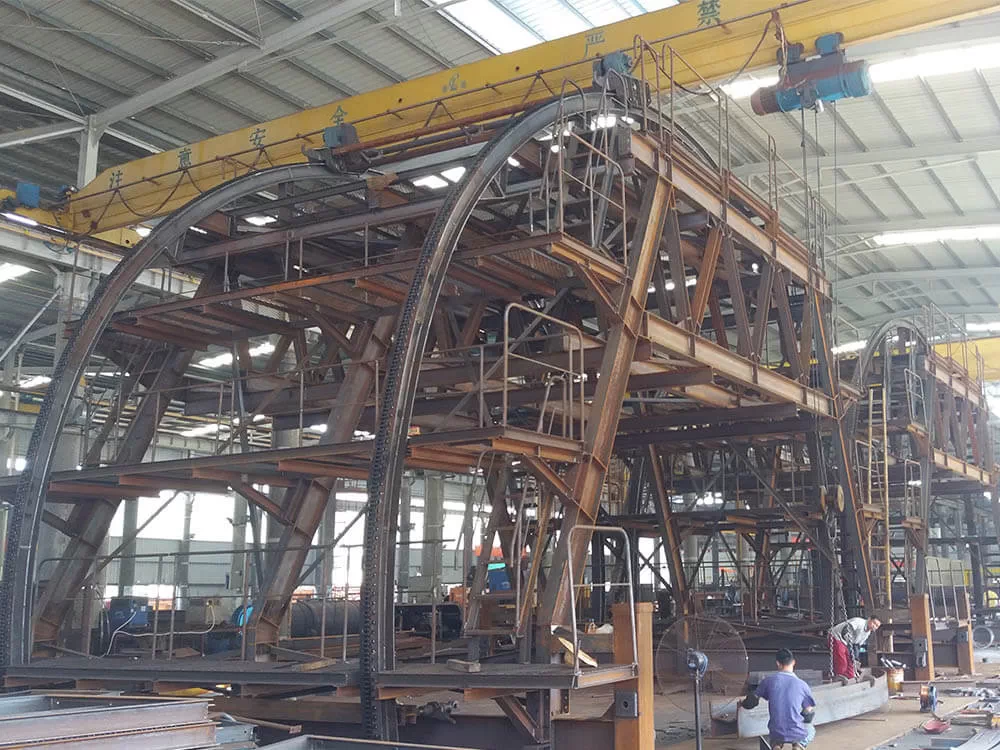
The tech infrastructure inside a steel structure manufacturer‘s factory heavily dictates final production pricing. RH Engineering operates a modern 10,000 square meter production facility equipped with high-power laser cutting machines and automated welding robots. This high level of automation reduces labor overheads, eliminates human fabrication errors, and boosts manufacturing speed.
In contrast, workshops that depend on manual layout tracking, oxygen-acetylene torch cutting, and manual stick welding face higher labor hours per ton, inconsistent structural weld profiles, and dimensional deviations. These variances lead to higher structural field rectification costs during building assembly.
The grade and origin of raw structural plates significantly impact manufacturing pricing. Premium manufacturers source high-strength structural plates (such as Q355B or ASTM A572 Grade 50) directly from major tier-1 steel mills, backed by Mill Test Certificates (MTC) that verify exact chemical composition and yield strengths. Smaller, low-cost suppliers often source excess run-of-mill lots, non-certified metal feedstocks, or thinner secondary plates that fail to deliver consistent structural reliability, especially under seismic loading or high wind stress.
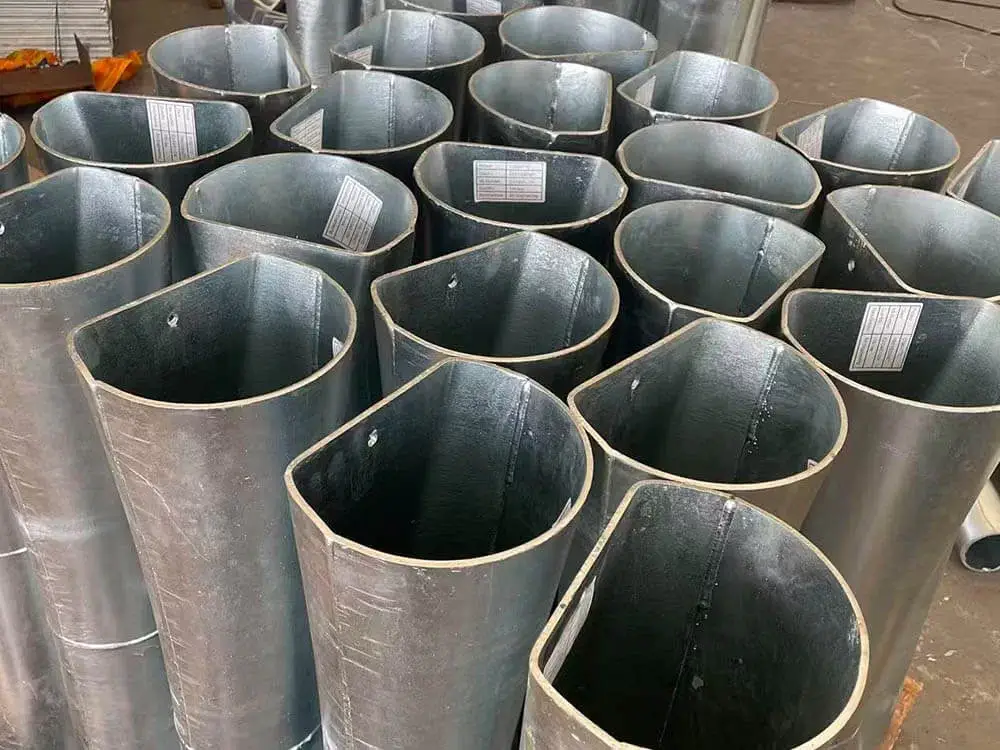
Comprehensive quality control demands specialized factory investment. RH Engineering enforces strict structural inspection workflows where every member undergoes non-destructive testing (NDT), dimensional tolerance validation, and ultrasonic weld assessments before delivery. Furthermore, our dedicated painting and blasting facility cleans raw elements to Sa2.5 cleanliness standards before applying multi-coat epoxy systems or hot-dip galvanizing. Low-tier suppliers routinely cut corners on sandblasting quality and dry-film paint thickness, leading to accelerated structural rust and premature building degradation within just a few years of site service.
A standard industrial steel warehouse cost ranges from $65 to $145 per square meter for the prefabricated structural kit components delivered to port, while a fully completed operational facility (including concrete foundations, insulation, windows, doors, and local erection labor) typically totals between $120 and $280 per square meter. These budget metrics vary widely based on spatial dimensions, clear-span clearance needs, regional code loads, and insulation packages.
To help industrial developers construct realistic financial models, a qualified steel structure manufacturer breaks down total warehouse project expenditures into five primary material and labor divisions:
| Cost Component Division | Estimated Percentage of Total | Primary Driving Factors & Engineering Choice Impacts |
|---|---|---|
| Primary Structural Framing | 35% – 45% | Heavy built-up H-sections, primary portal frame columns, rigid rafters, and crane runway beams. Costs depend on wind/seismic design criteria. |
| Secondary Framing System | 15% – 20% | Cold-formed C/Z purlins, wall girts, sag rods, cross-bracing rods, and structural fly bracing elements that stabilize primary frames. |
| Cladding & Building Envelope | 15% – 25% | Single metal panels, composite PU foam sandwich insulation sheets, fiberglass rockwool panels, and localized flashing trims. |
| Accessories & Component Hardware | 10% – 15% | High-strength anchor bolts, tension rods, industrial personnel doors, automated rolling steel shutters, roof skylights, and louvers. |
| Surface Protection & Finishes | 5% – 10% | Industrial sandblasting, anti-corrosive zinc-rich primer basecoats, polyurethane top coats, or full hot-dip galvanizing treatments. |
When engineering an optimal logistics layout, specific structural decisions will alter the bottom-line steel warehouse cost:
If an automated distribution center requires an completely open internal floor layout to accommodate forklift traffic or robotic sorting grids, a wide clear-span configuration is necessary. Clear spans exceeding 40 meters require deeper, heavier primary rafters to withstand bending moments without sagging. Introducing a single row of internal support columns can drop structural steel weight requirements by 15% to 25%, resulting in substantial project cost savings.
Integrating heavy industrial overhead bridge cranes completely alters building structural design. Columns must feature integrated crane brackets or stepped structural columns to carry crane runway beams. The entire structural frame must be stiffened to resist dynamic braking shocks, longitudinal thrusts, and heavy wheel loads, increasing the primary framing weight profile.
Buildings engineered for coastal regions prone to typhoons, or sub-zero environments with heavy snow accumulation, require thicker structural webs, closer purlin spacing, and robust structural connections. A premier steel structure manufacturer calculates these parameters exactly, matching regional safety needs without overdesigning the project.
The current global market price per ton for structural steel fabrication fluctuates between $950 and $2,200 per metric ton, depending on structural geometry complexity, required welding certifications, the extent of factory pre-assembly testing, and the chosen anti-corrosion surface coatings. Raw steel mill plates make up a significant portion of this base cost, while specialized fabrication engineering, quality control validation, and logistics packaging constitute the remaining value.
The total price per ton for structural steel fabrication is heavily influenced by the complexity of the design drawings. Simple structural components like heavy H-beams used for direct compression columns require basic cutting, bolt-hole drilling, and straightforward end-plate welding, positioning them at the lower end of the pricing scale.
Conversely, complex multi-panel roof trusses, tapered built-up crane girders, tubular space frames, or multi-axis connection joints require extensive manual setup, skilled robotic welding lines, and thorough non-destructive testing (NDT). These complex configurations require more production hours per metric ton, which naturally shifts fabrication pricing into premium tiers.
At RH Engineering, our automated factory processes are specifically optimized to reduce the price per ton for structural steel fabrication while delivering exceptional component quality. Our production facility features high-efficiency systems that directly lower manufacturing costs:
Furthermore, our factory is located just a one-hour drive from our regional deep-water international seaport. This proximity provides a major logistical advantage. Massive steel structures and heavy bridge formwork sections can be loaded directly into specialized sea containers or secured for breakbulk shipping immediately after passing inspection. This efficient shipping process eliminates expensive domestic overland transport, safeguards finished coatings from transport scratches, and ensures reliable project delivery timelines for clients worldwide.
Choosing RH Engineering as your primary steel structure manufacturer guarantees a focus on value engineering. We analyze your project drawings to identify areas where material weight can be optimized without reducing structural safety. Our end-to-end service includes comprehensive project support:
Take the financial uncertainty out of your next industrial expansion or commercial development. Partnering with RH Engineering Co., Ltd. connects your team with premium materials, automated factory pricing, and over a decade of verified structural manufacturing experience. Whether you are analyzing a large-span industrial workshop, calculating an upcoming steel warehouse cost, or seeking optimized structural steel fabrication components, we provide high-performance building solutions tailored to your project timeline and budget.
Ready to optimize your project costs? Contact our structural engineering team today to receive an accurate, transparent fabrication quote and comprehensive design review!
What We Provide!
We are the best manufacturer of the products and can provide professional solutions for you. Please feel free to contact us for a quick quote now!
You can get a price of this model or send us any question to get any information you would like to know, we will reply to you soonest.