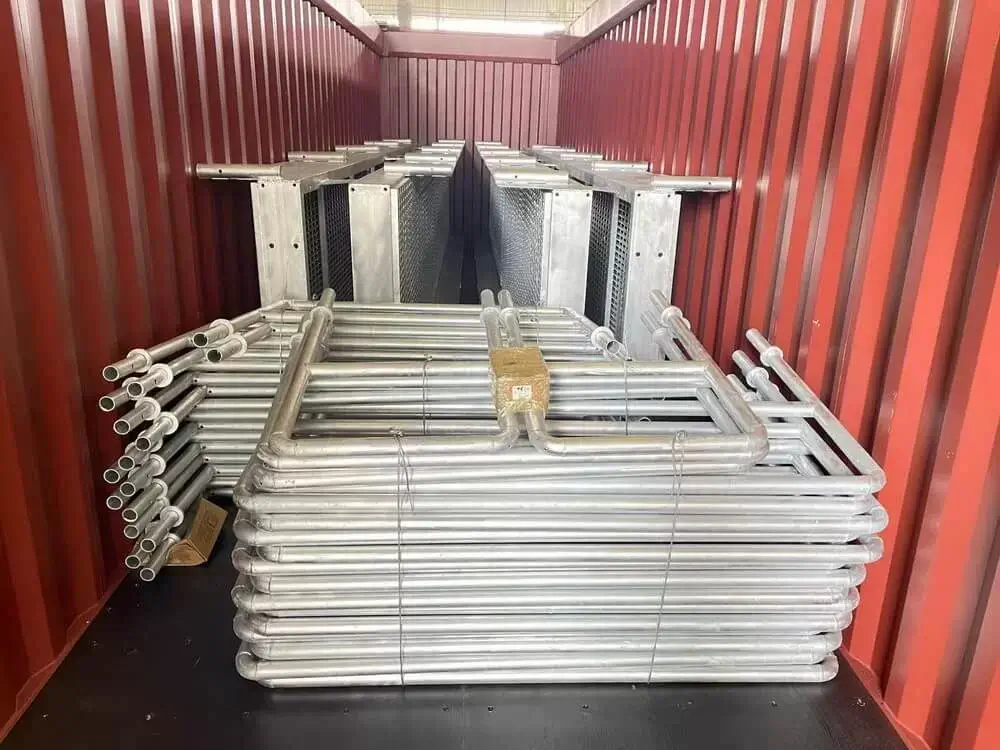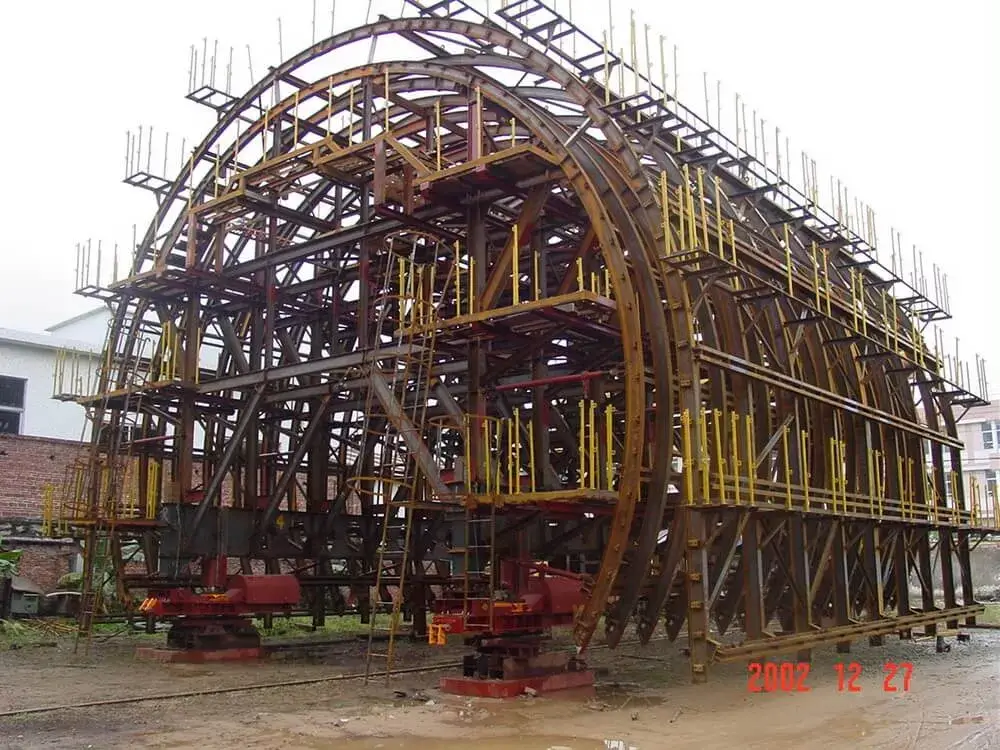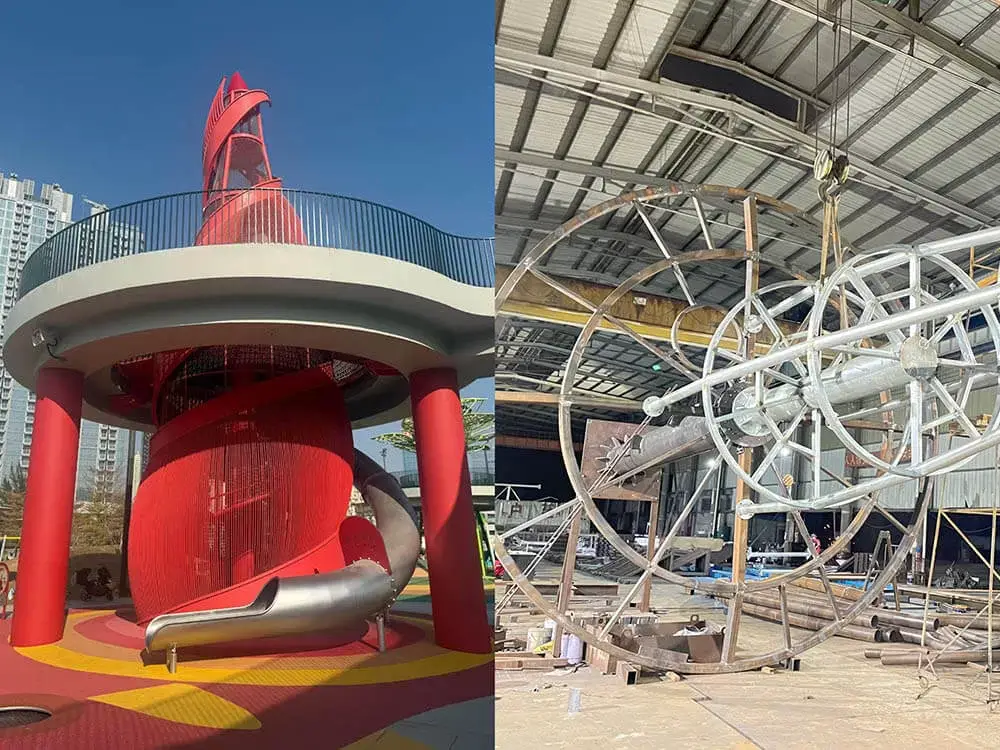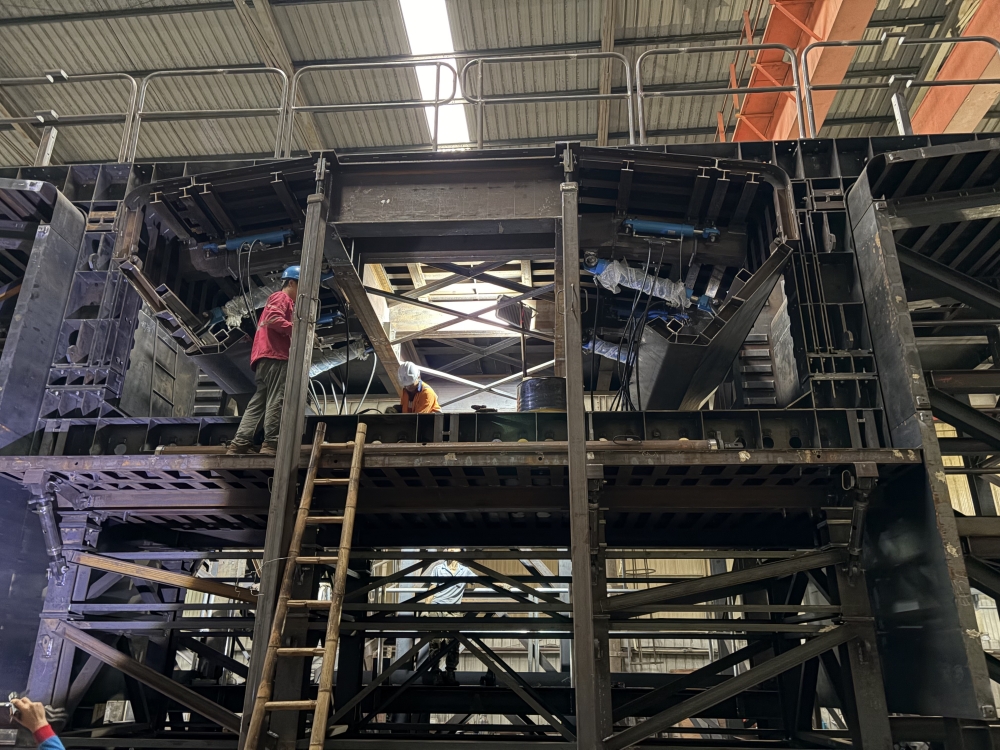

A steel structure manufacturer plays a critical role in the success of industrial, commercial, and civil construction projects. Whether you are planning a warehouse, factory building, aircraft hangar, steel office building, supermarket, or bridge-related structure, one of the first questions you will ask is simple: how much will the steel structure cost? The answer depends on much more than steel tonnage alone. Design complexity, fabrication standards, raw material specifications, surface treatment, logistics, and installation scope can all significantly affect the final budget.
A steel structure manufacturer plays a critical role in the success of industrial, commercial, and civil construction projects. Whether you are planning a warehouse, factory building, aircraft hangar, steel office building, supermarket, or bridge-related structure, one of the first questions you will ask is simple: how much will the steel structure cost? The answer depends on much more than steel tonnage alone. Design complexity, fabrication standards, raw material specifications, surface treatment, logistics, and installation scope can all significantly affect the final budget.
This article provides a detailed, practical guide for buyers, contractors, developers, and project managers who want to understand how pricing works when working with a steel structure manufacturer. We will explain the most common cost drivers, how manufacturers typically charge, how to request a reliable quotation, and how steel compares with concrete in real-world construction economics. We will also share useful insights based on the manufacturing capabilities and project experience of RH Engineering Co., Ltd., a professional steel structure and steel formwork company with more than ten years of industry experience.
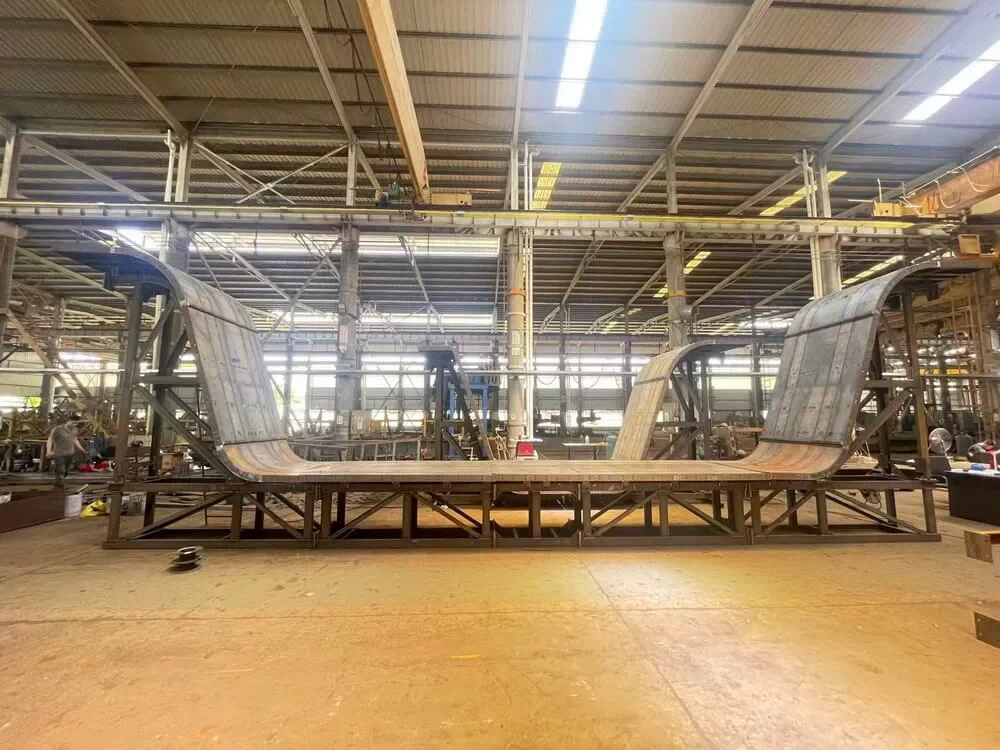
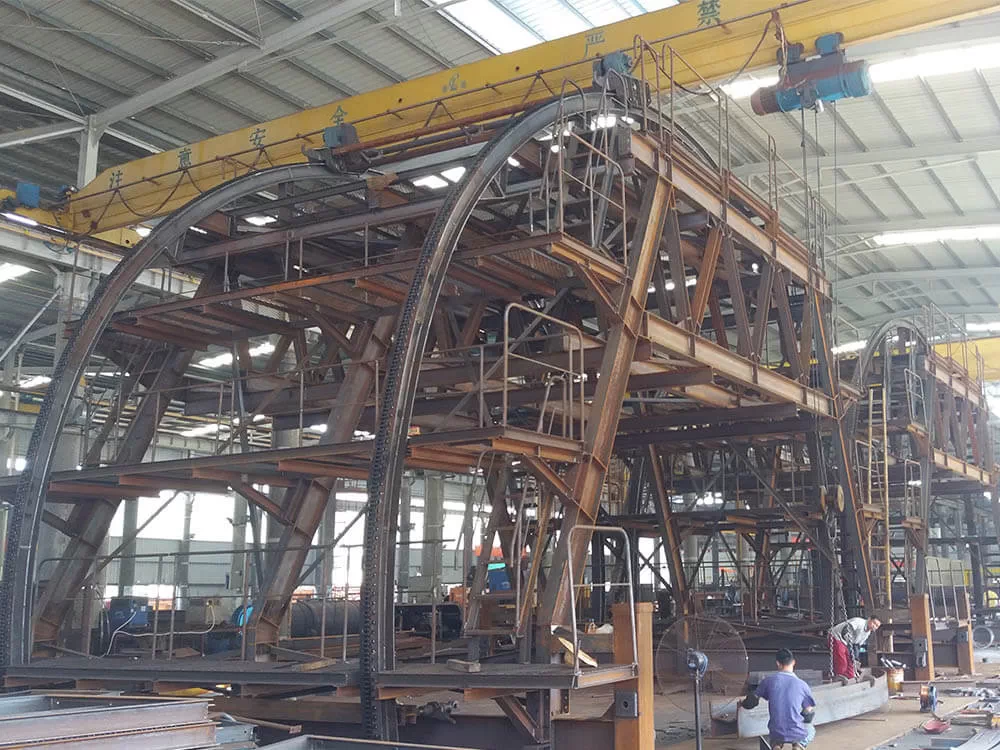
RH Engineering Co., Ltd. was founded in 2016 and has extensive experience in the design, manufacturing, and installation of steel structures, steel formwork, and construction equipment. The company serves industrial, commercial, and civil projects, including large-span industrial workshops, warehouses, aircraft hangars, steel office buildings, supermarkets, and road and bridge construction. With a 10,000-square-meter production and painting workshop, advanced laser cutting equipment, automated welding robots, and strict quality control procedures, RH is able to provide detailed design, material procurement, fabrication, and project management support for global clients.
Many buyers compare suppliers only by unit price, but that approach can be misleading. In steel structure projects, a lower quoted price does not always mean lower total cost. Some quotations exclude connection plates, bolts, painting, packing, transport, shop drawings, or installation guidance. Others may use different steel grades, different corrosion protection systems, or different design assumptions. That is why understanding the pricing logic of a steel structure manufacturer is essential for making an informed decision.
A good quotation should help you compare scope, quality, delivery capability, and technical compliance, not just numbers on a page. The right manufacturer should not only offer competitive pricing, but also help reduce project risk, avoid delays, improve installation efficiency, and ensure the structure meets drawings and standards.
The cost of a steel structure varies widely depending on the building type, structural system, project scale, steel grade, fabrication complexity, and delivery scope. In practice, there is no single universal number that fits every project. A simple warehouse with standard portal frame design will usually cost less per ton or per square meter than a complex industrial facility with crane beams, mezzanines, multiple elevations, heavy loads, and special connection requirements.
In general, steel structure cost is often evaluated in one or more of the following ways:
For example, a steel warehouse project may be quoted based on total fabricated tonnage, while a complete building package may also include roof and wall systems, purlins, bracing, gutters, flashing, bolts, doors, and skylights. In some export projects, the quotation may also include packing, container loading, sea freight, and logistics support.
A more accurate way to think about steel structure cost is to divide it into several layers:
Because every project combines these elements differently, professional buyers usually request quotations based on drawings and project specifications rather than asking for a generic price only.
| Project Type | Typical Cost Complexity | Main Cost Characteristics |
|---|---|---|
| Standard Warehouse | Low to Medium | Simple frame system, repetitive members, efficient fabrication |
| Industrial Workshop | Medium | May include crane beams, heavier loads, additional bracing and platforms |
| Aircraft Hangar | High | Large spans, special engineering requirements, precise fabrication |
| Steel Office Building | Medium to High | More complex floor systems, connection details, architectural coordination |
| Bridge or Infrastructure Steelwork | High | Strict tolerances, special standards, demanding fabrication and inspection |
The key takeaway is that the total cost of a steel structure is project-specific. If you want a meaningful budget estimate, you need to define the technical scope clearly and work with a manufacturer that understands both fabrication and project execution.
A steel structure manufacturer may charge in different ways depending on the project type, contract model, and level of service included. Some manufacturers quote only for fabrication, while others provide a complete package that includes detailing, procurement, fabrication, coating, packing, shipment, and even installation support.
Common pricing models include:
Manufacturers typically build their pricing around several internal cost components:
The manufacturer’s charge also reflects its production capability and quality system. A factory equipped with laser cutting machines, automated welding robots, standardized workshops, and strict quality control may not always be the absolute lowest bidder, but it often delivers better dimensional accuracy, more stable weld quality, and lower rework risk. That can save substantial cost during installation and reduce project delays.
| Cost Item | Usually Included? | Notes |
|---|---|---|
| Shop Drawing / Detailing | Sometimes | May be included in package projects or charged separately |
| Raw Material Procurement | Usually | Depends on steel grades and approved standards |
| Fabrication | Yes | Core manufacturing work |
| Surface Treatment | Sometimes | Painting or galvanizing may be optional |
| Bolts and Accessories | Sometimes | Need to confirm scope in quotation |
| Packing and Container Loading | Often | Important for export projects |
| Sea Freight | Optional | Depends on FOB, CIF, EXW, or other trade terms |
| Installation | Optional | May be by client, local contractor, or manufacturer support team |
Therefore, when asking how much a steel structure manufacturer charges, the better question is: what scope is included in the price? A detailed quotation breakdown helps buyers compare suppliers more accurately and avoid hidden costs.
The cost of a steel structure project is influenced by a wide range of technical, commercial, and logistical factors. Understanding these variables helps buyers control budgets and identify which decisions have the biggest cost impact.
The more complex the structural design, the higher the fabrication and engineering cost. Large spans, irregular geometry, curved members, heavy crane loads, mezzanines, cantilevers, and special connection details all increase material usage and labor time. Simple repetitive frames are usually more economical than customized, highly detailed structures.
Different projects require different material standards and grades. If the project must comply with European, Australian, American, or other technical standards, the material procurement cost can vary accordingly. Higher-strength steel can reduce total weight in some cases, but the material price itself may be higher. Certification and traceability requirements may also affect cost.
Projects with strict tolerances require more careful cutting, fitting, welding, and inspection. A modern factory with advanced laser cutting machines and automated welding robots can improve accuracy and consistency, but high-quality fabrication also depends on professional technicians, welding procedures, and inspection controls. Precision fabrication can reduce site adjustment work, which is valuable for fast-track projects.
Steel structures often require painting or hot-dip galvanizing to improve corrosion resistance and long-term durability. The chosen coating system affects both initial cost and lifecycle value. A basic painted system may have a lower upfront cost, while galvanizing or multi-coat industrial painting systems may offer better long-term performance in harsh environments.
Larger projects often benefit from economies of scale. When many members are similar, production becomes more efficient, and unit costs may decrease. On the other hand, small projects or projects with many unique members may have a higher cost per ton because setup, detailing, and production planning are spread across a smaller quantity.
Stringent quality inspection processes are essential, especially for export and high-specification projects. Inspection may include raw material checks, dimensional inspections, weld inspections, trial assembly, coating thickness checks, and documentation packages. These activities increase direct cost but can significantly reduce project risk.
Shipping costs can be a major factor, especially for overseas projects. A factory located near a seaport has an advantage in transportation efficiency and export handling. Packing method, container optimization, inland transport, trade terms, destination port, and customs requirements all influence total delivered cost.
If the manufacturer’s scope includes installation or site supervision, labor and travel costs must be considered. Some clients prefer supply-only arrangements, while others need technical support or full project construction management. Installation complexity also depends on site conditions, crane access, local labor skill level, and erection sequence.
Rush production can increase cost because it may require overtime, priority material procurement, special scheduling, or less efficient batching. If the project has a strict delivery deadline, it is important to confirm capacity and lead time early.
Unclear drawings or incomplete scope definition often lead to quotation revisions, change orders, and unexpected costs. A well-prepared inquiry package is one of the best ways to control budget and compare suppliers fairly.
To get an accurate quote from a steel structure manufacturer, you should provide as much project information as possible. The quality of the quotation depends heavily on the quality of the information you submit. If the inquiry is vague, the quote will be rough. If the drawings and technical requirements are complete, the quotation can be much more reliable and useful for procurement decisions.
If you do not yet have full production drawings, a professional manufacturer may still support you through detail design and shop drawing development based on your concept design or engineering drawings. This is especially valuable for international buyers who need integrated design and manufacturing service.
A reliable quotation from a steel structure manufacturer should clearly define what is included and what is excluded. It should identify material assumptions, coating assumptions, estimated tonnage if applicable, delivery terms, validity period, and lead time. If possible, it should also mention inspection procedures, packaging scope, and any engineering services included.
At RH Engineering, our service capability covers detailed design, procurement, manufacture, and project construction management support. With more than ten years of practical experience and strict quality inspection procedures, we focus on delivering high-performance products and efficient services for clients worldwide. For many buyers, this kind of integrated support is just as important as the base price itself.
In many cases, steel structure construction can be cheaper than concrete, but the answer depends on the project type, local labor market, building function, schedule, and lifecycle expectations. It is not enough to compare material cost alone. The total project economy should include fabrication, transport, installation speed, foundation requirements, labor efficiency, maintenance, and future expansion potential.
| Comparison Item | Steel Structure | Concrete Structure |
|---|---|---|
| Construction Speed | Fast, especially with prefabrication | Usually slower due to curing and wet trades |
| Self Weight | Lighter | Heavier |
| Large Span Efficiency | Excellent | Often less efficient for very large spans |
| Foundation Demand | Often lower | Often higher due to weight |
| Site Labor Intensity | Lower wet work, faster assembly | Higher formwork, rebar, pouring, curing demand |
| Modification and Expansion | Easier in many cases | Often more difficult |
| Corrosion Protection Need | Important, requires coating strategy | Less directly relevant in the same way |
| Best Use Cases | Warehouses, workshops, hangars, industrial buildings | Certain residential, parking, and mass concrete applications |
For many industrial and commercial applications, steel offers strong economic advantages because it supports faster project turnover, earlier operation, and more flexible space planning. That is why many buyers choose an experienced steel structure manufacturer when speed, span, precision, and future scalability matter.
Price matters, but it should never be the only selection criterion. The right steel structure manufacturer should have the engineering ability, manufacturing capacity, inspection discipline, and logistics support needed for your project. A capable supplier helps you reduce total project risk, not just initial purchase cost.
RH Engineering combines a professional design, manufacturing, and quality control team with a 10,000-square-meter fabrication workshop and advanced production equipment. With strict inspection processes and experience in overseas projects, RH is positioned to support clients seeking dependable steel structure solutions for industrial, commercial, and civil applications.
RH Engineering Co., Ltd. specializes in steel structures, steel formwork, and construction equipment for global markets. The company provides high-performance products and integrated solutions supported by precise manufacturing and comprehensive project management services.
Key strengths include:
For buyers who need a manufacturer that can balance cost, quality, delivery, and technical support, RH offers practical value beyond simple unit-price comparison.
Steel structure cost is usually calculated by tonnage, by square meter, or as a lump sum based on drawings and scope. The most accurate method is a project-specific quotation prepared from technical documents.
Quotes vary because suppliers may use different material grades, different coating systems, different scope assumptions, different inspection standards, and different delivery terms. Always compare like for like.
Yes, but it will usually be a budget estimate rather than a final quotation. The more complete your drawings and specifications are, the more accurate the quote will be.
There is no single factor, but design complexity, steel market price, material standard, surface treatment, and logistics are among the most important cost drivers.
Not always. The lowest initial quotation may exclude important items or come with higher risk in quality, delay, or installation difficulty. A better choice is a manufacturer that offers clear scope, stable quality, and reliable delivery.
Yes. Many experienced manufacturers can support packing, container loading, and shipment arrangements. RH Engineering also benefits from a factory location close to the seaport, which supports efficient export logistics.
Choosing the right steel structure manufacturer is about much more than finding a low unit price. A successful project depends on design clarity, manufacturing precision, quality control, logistics planning, and responsive technical support. Whether you are evaluating warehouse construction, industrial workshops, aircraft hangars, office buildings, or infrastructure steelwork, understanding how pricing is built helps you make better decisions and avoid costly surprises.
If you want an accurate steel structure quotation, start with complete project information, define your standards and scope clearly, and compare suppliers based on quality and delivery as well as price. The right manufacturer should help you complete your project on time, within budget, and according to specification.
If you are looking for a reliable steel structure manufacturer for your next industrial, commercial, or civil project, RH Engineering is ready to help. We can support your project with detailed design, material procurement, fabrication, surface treatment, quality inspection, and logistics coordination. Whether you already have drawings or need technical support to move your project forward, our team can provide a practical and competitive solution tailored to your requirements.
Send us your drawings, specifications, and project details to get a professional quotation. With advanced manufacturing equipment, a strict quality management system, and strong experience in global projects, RH Engineering is committed to delivering high-performance steel structure solutions that support both your construction goals and long-term value.
What We Provide!
We are the best manufacturer of the products and can provide professional solutions for you. Please feel free to contact us for a quick quote now!
You can get a price of this model or send us any question to get any information you would like to know, we will reply to you soonest.