
Steel structure manufacturer is one of the most important keywords for global buyers, contractors, developers, and engineering companies searching for reliable structural suppliers. When a project involves overseas procurement, export coordination, fabrication quality, international standards, shipment planning, and on-site installation efficiency, choosing the right steel structure manufacturer becomes even more critical. Whether you are building a warehouse, aircraft hangar, industrial workshop, supermarket, steel office building, logistics center, or bridge-related structure, the manufacturer you choose directly affects product quality, export reliability, installation speed, total cost, and long-term project success.
Steel structure manufacturer is one of the most important keywords for global buyers, contractors, developers, and engineering companies searching for reliable structural suppliers. When a project involves overseas procurement, export coordination, fabrication quality, international standards, shipment planning, and on-site installation efficiency, choosing the right steel structure manufacturer becomes even more critical. Whether you are building a warehouse, aircraft hangar, industrial workshop, supermarket, steel office building, logistics center, or bridge-related structure, the manufacturer you choose directly affects product quality, export reliability, installation speed, total cost, and long-term project success.
As international construction supply chains continue to expand, many buyers are asking practical and high-value questions before placing an order. Can a steel structure manufacturer export overseas? How do steel structure manufacturers handle international projects? What should I know before importing steel structures from China? These are not simple purchasing questions. They are essential project-planning questions that influence budget control, engineering coordination, shipping arrangements, customs documentation, quality inspection, and final installation performance.
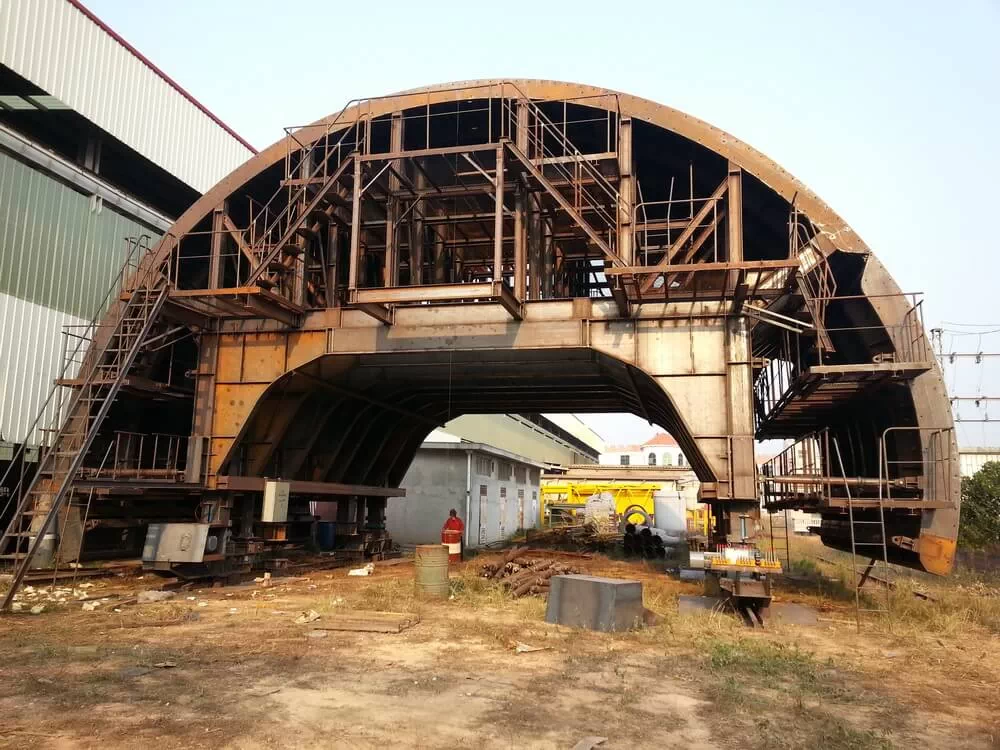
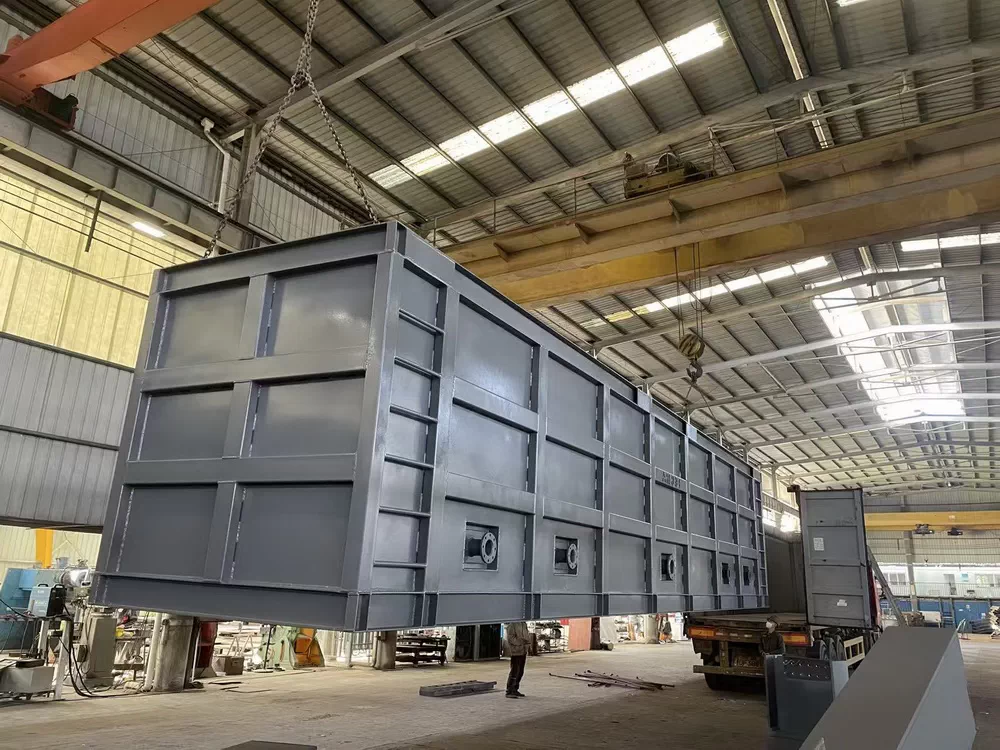
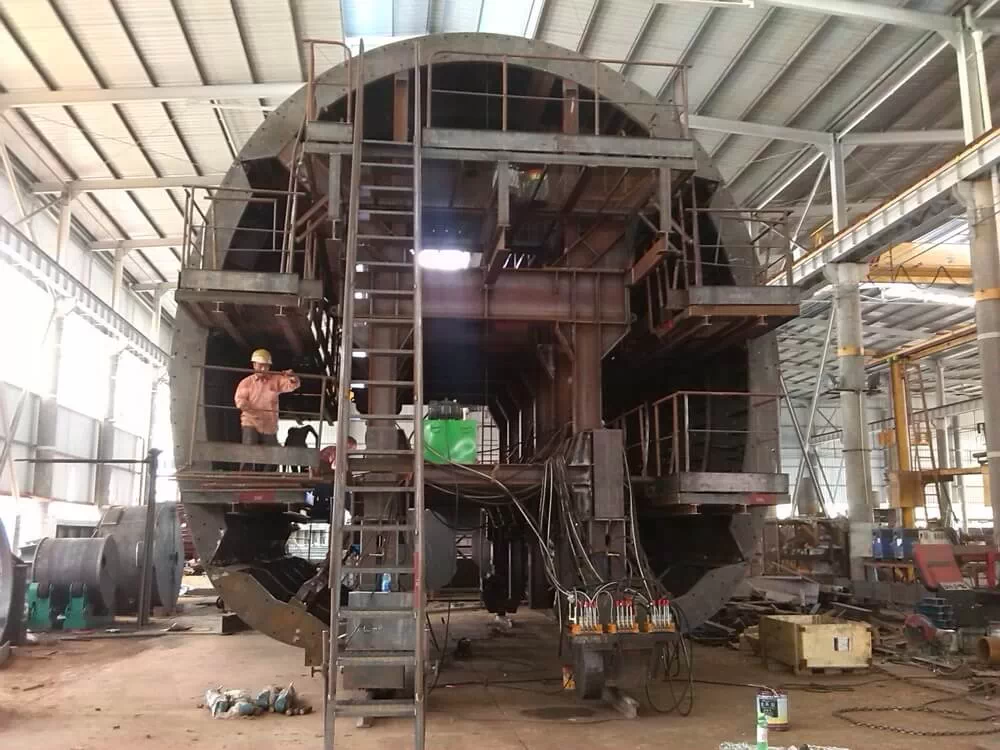
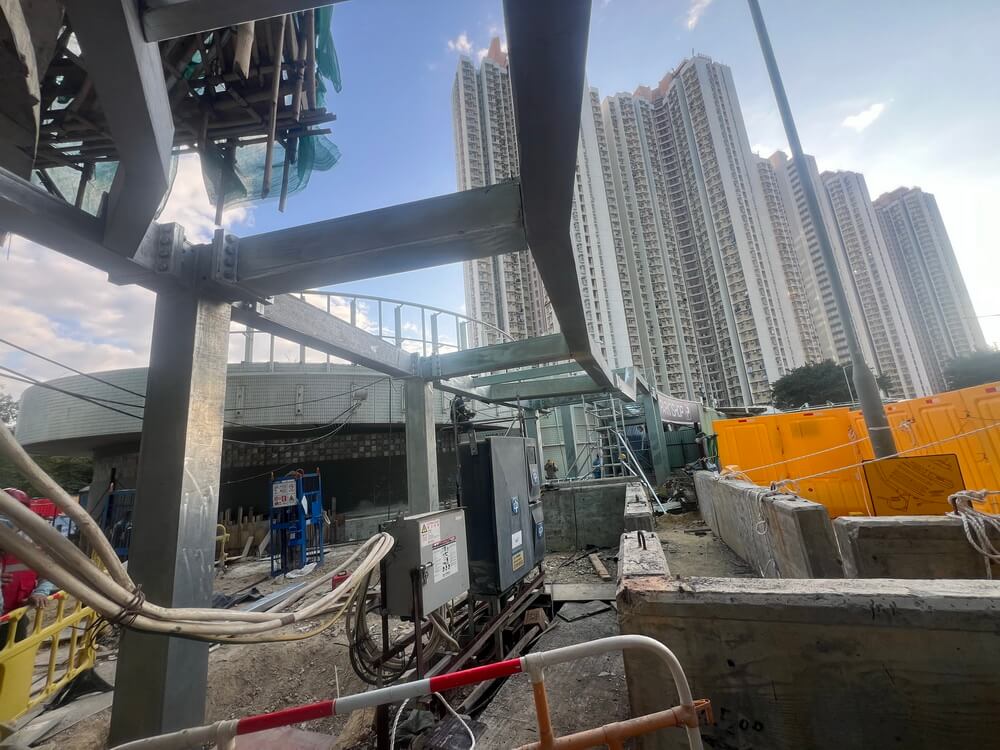
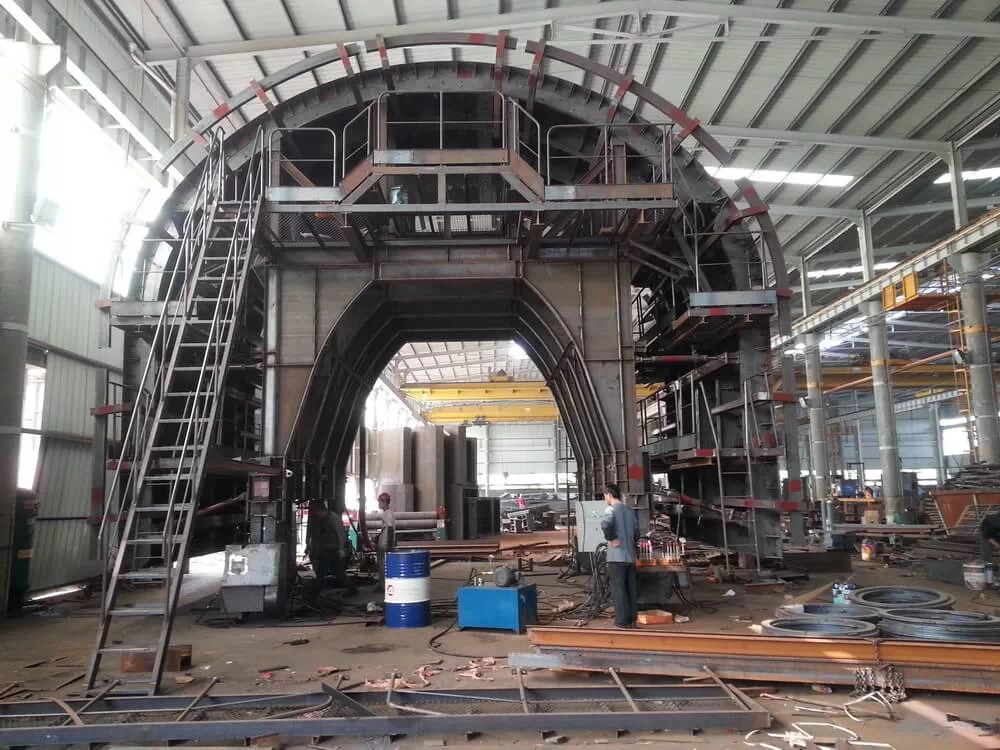
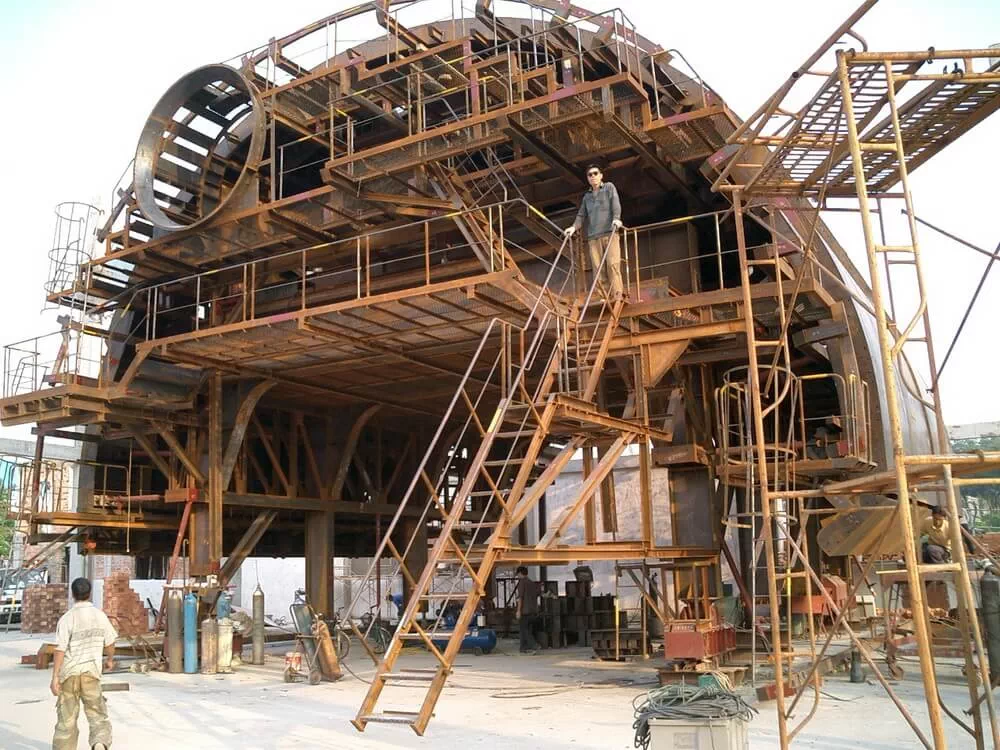
RH Engineering Co., Ltd. is a professional steel structure and steel formwork design and manufacturing company founded in 2016. With more than ten years of experience in the design, manufacturing, and installation of steel structures, steel formwork, and construction equipment, RH serves industrial, commercial, and civil sectors. The company’s project experience includes large-span industrial workshops, warehouses, aircraft hangars, steel office buildings, supermarkets, and road and bridge construction. Located in Dongguan City, near the seaport, RH operates a 10,000-square-meter production and painting workshop equipped with high-power laser cutting machines, automated welding robots, and a comprehensive quality management system.
For overseas clients, RH provides detailed design support, material procurement, certified fabrication, surface treatment, logistics coordination, and stringent quality control before delivery. These capabilities are exactly what many buyers need when working with a professional steel structure manufacturer for international business.
In this article, we will provide a detailed guide based on three highly relevant questions:
We will also expand the discussion to include quality control, export preparation, factory capability, documentation, communication, logistics planning, and supplier selection tips. This comprehensive guide is designed to help decision-makers make informed choices and improve the success of overseas steel structure projects.
Yes, a professional steel structure manufacturer can export overseas, and many global construction projects depend on this capability. In fact, export ability is now one of the most valuable strengths a manufacturer can offer, especially for buyers in industrial, commercial, agricultural, and infrastructure sectors. However, not all manufacturers handle overseas orders with the same level of experience or professionalism. Exporting steel structures is not just about producing steel members and loading them into containers. It requires engineering coordination, standards compliance, dimensional control, surface treatment planning, packing organization, shipping support, and documentation accuracy.
A manufacturer that only focuses on local production may not be ready for international supply. Overseas export projects require the ability to communicate with foreign clients, understand international standards, prepare documents correctly, and organize shipment according to the destination country’s requirements. A capable steel structure manufacturer must think beyond production and treat export as a complete project process.
RH Engineering specializes in overseas steel structures and steel formwork with EN, AS, and ASTM standards. This matters because international buyers often require materials and fabrication processes that align with the structural and regulatory expectations of their own markets. A steel structure manufacturer with export experience understands that buyers are not just ordering products; they are ordering a complete, installable solution.
Overseas export is suitable for many steel structure applications, including large-span industrial workshops, warehouses, aircraft hangars, supermarkets, steel office buildings, and road and bridge-related projects. Steel structures are especially suitable for export because they can be prefabricated in a factory, inspected before shipment, packed according to installation sequence, and assembled efficiently on site.
This prefabricated nature gives the steel structure manufacturer a major advantage in overseas supply. Instead of doing most fabrication on site, the manufacturer can complete cutting, welding, trial assembly, inspection, painting, and marking in the workshop. The buyer then receives components that are ready for organized installation.
Location matters for an export-oriented manufacturer. RH Engineering is located in Dongguan City and is only about one hour from the seaport. This is a practical advantage because it improves transportation efficiency between factory and port, reduces inland logistics complexity, and helps control delivery schedules. For overseas buyers, a manufacturer near the port can often provide smoother export coordination than a supplier located far inland.
When evaluating whether a steel structure manufacturer can export overseas effectively, buyers should check whether the company has convenient transportation access, established logistics partners, export packing experience, and the ability to arrange reliable shipment.
For international projects, components need to be marked, packed, protected, and documented properly. This reduces confusion during unloading, customs clearance, site storage, and erection. A professional steel structure manufacturer should be able to prepare shipping lists, identify each member clearly, and organize packages in a way that supports site installation.
Good export preparation can reduce damage risk, improve unloading efficiency, and help the contractor install the structure in the correct sequence. This is especially important for large-span projects with many members and complex connections.
One of the most important signs that a steel structure manufacturer can export overseas professionally is the ability to work according to international standards. RH Engineering states that its welding and manufacturing processes comply with AS, EN, and ASTM standards, and it can provide steel materials according to European, Australian, and American standards.
This gives overseas buyers greater confidence in product consistency, technical compatibility, and quality expectations. It also helps reduce misunderstandings in procurement and engineering review. When a steel structure manufacturer understands international standards, it becomes easier to coordinate drawings, material grades, fabrication tolerances, and inspection requirements.
Exported steel structures are often sent long distances and installed in locations far from the manufacturer. That means quality problems become more expensive to fix once goods arrive at the site. For this reason, export capability is closely tied to internal quality control.
RH Engineering emphasizes stringent quality inspection processes to ensure all components pass inspection before delivery. Its workshop setup includes material management, precision cutting, robotic welding, inspection, trial assembly, and painting. This full-process control is a major advantage for export projects because it lowers the risk of dimensional mismatches, welding defects, and missing or incorrect parts.
In other words, a steel structure manufacturer can export overseas successfully only if the company can ensure quality before the goods leave the factory.
International projects require more coordination than domestic projects. A professional steel structure manufacturer must manage technical communication, shop drawings, standards alignment, manufacturing planning, inspection, shipment preparation, logistics support, and post-delivery coordination. The best manufacturers do not treat export orders as isolated transactions. They manage them as structured engineering projects.
The first step in handling an international project is understanding the client’s drawings, specifications, usage requirements, load conditions, standards, and delivery schedule. A capable steel structure manufacturer must review the project carefully and clarify dimensions, connection details, material requirements, surface treatment needs, and erection expectations before production begins.
RH Engineering provides detail shop drawings as per the client’s design. This is a critical capability for overseas projects because shop drawings act as the bridge between design intent and actual fabrication. If a manufacturer can convert engineering requirements into accurate fabrication drawings, it significantly reduces production mistakes and site installation issues.
International buyers may require compliance with local or project-specific standards, especially for structural steel grades, coating systems, welding quality, and inspection procedures. A professional steel structure manufacturer must be able to procure the correct materials and verify their suitability for the project.
RH Engineering states that it can provide steel materials in accordance with European, Australian, and American standards. For international projects, this is a major advantage because it helps ensure the project matches expected quality and specification requirements from the beginning.
Once drawings and materials are confirmed, fabrication begins. In international projects, production quality must be consistent because site correction in another country is often expensive and time-consuming. A skilled steel structure manufacturer relies on advanced equipment and regulated workflows to improve consistency.
RH’s 10,000-square-meter workshop uses high-power laser cutting machines and automated welding robots. The material workshop separates materials by type and specification with labels affixed. The cutting workshop ensures accurate dimensions and clean edges. The welding workshop improves joint strength and consistency. These systems create a reliable manufacturing environment that is highly suitable for international work.
One of the most valuable ways steel structure manufacturers handle international projects is through strict inspection and trial assembly. Before shipment, components should be checked against drawings and specifications to confirm dimensions, connection alignment, weld quality, and general completeness.
RH Engineering’s inspection workshop performs comprehensive inspections to ensure products meet standards and drawing specifications. Its assembly workshop performs trial assembly to confirm that overall dimensions meet drawing requirements. This is especially important in overseas projects because once goods are shipped, correcting fit-up problems becomes more costly and complicated.
For this reason, buyers should always ask how the steel structure manufacturer performs inspection, whether trial assembly is available, and how discrepancies are documented and resolved before shipment.
International projects often involve different climates and environmental conditions. Some structures are used in humid coastal regions, some in dry industrial zones, and others in heavy-duty operating environments. A professional steel structure manufacturer should recommend and provide appropriate surface treatment based on project conditions.
RH Engineering offers both painting and hot-dip galvanizing for surface treatment. This gives overseas buyers flexibility to choose protection methods based on corrosion risk, maintenance expectations, and project budget. Proper surface treatment improves long-term performance and reduces the likelihood of early maintenance problems.
Manufacturing is only one stage of an overseas project. Shipping also has to be coordinated carefully. Components must be packed properly, container loading must be planned, shipping schedules must be managed, and supporting documents must be prepared accurately. A strong steel structure manufacturer works with trusted logistics partners to improve transportation reliability.
RH Engineering partners with trusted shipping companies to deliver reliable and cost-effective transportation solutions. For global buyers, this matters because the quality of logistics planning can influence delivery time, customs efficiency, unloading sequence, and project schedule control.
Time zone differences, language differences, engineering revisions, and installation questions all make international communication more demanding than local purchasing. A good steel structure manufacturer must be responsive, organized, and clear in communication throughout the project lifecycle.
International buyers should choose a manufacturer that can provide timely answers, update production progress, share inspection information, and coordinate effectively when schedule adjustments are required. Strong communication is not a secondary issue. It is part of successful project management.
Many overseas buyers prefer suppliers who can provide more than fabrication. RH Engineering’s services include detailed design, procurement, manufacture, and project construction management support. This integrated approach is valuable because international projects often require one supplier to manage multiple linked processes. A professional steel structure manufacturer that can support clients from design through delivery adds significant project value.
Importing from China can be a highly effective strategy for reducing cost, accessing large manufacturing capacity, and benefiting from factory-prefabricated steel solutions. However, buyers should approach the process carefully. Before importing, it is important to understand supplier capability, quality assurance, engineering coordination, standards compliance, packaging, logistics, and communication. Choosing the wrong supplier can lead to delays, quality issues, and unexpected project cost. Choosing the right steel structure manufacturer can create major benefits in efficiency, reliability, and value.
Before contacting a steel structure manufacturer in China, the buyer should define the project as clearly as possible. This includes building type, dimensions, span, height, load requirements, crane loads if any, location, environmental conditions, surface treatment expectations, and timeline. Clear project information helps the manufacturer provide a more accurate quotation and technical proposal.
For example, a warehouse project and an aircraft hangar may both be steel structures, but they have very different design and functional needs. The more complete your information is, the more accurately a steel structure manufacturer can plan fabrication and pricing.
Not every supplier online is an actual manufacturer. Some are only trading companies or intermediaries. Before importing steel structures from China, buyers should verify whether the company has its own fabrication workshop, equipment, inspection process, and engineering team.
RH Engineering clearly presents its 10,000-square-meter production and painting workshop, laser cutting machines, automated welding robots, and professional team in design, fabrication, and quality control. These are strong signs of real manufacturing capacity. A reliable steel structure manufacturer should be transparent about factory scale, process workflow, and workshop capabilities.
Standards are one of the most important issues in international procurement. The buyer should confirm which codes, steel grades, welding standards, and inspection requirements apply to the project. These details affect material procurement, shop drawings, fabrication, and acceptance.
A professional steel structure manufacturer should be able to discuss standards clearly and provide products according to project requirements. RH Engineering’s ability to work with EN, AS, and ASTM standards is a valuable advantage for overseas clients who need international compatibility.
Before production begins, buyers should understand how shop drawings will be prepared, reviewed, revised, and approved. Shop drawings are critical because they convert design requirements into fabrication details. Without careful drawing coordination, even a good factory can produce components that do not match installation needs.
When importing from China, it is wise to work with a steel structure manufacturer that can prepare detailed shop drawings according to your design and confirm all important details before manufacturing.
Since overseas correction is expensive, pre-shipment quality control should never be overlooked. Buyers should ask about incoming material control, cutting accuracy, welding quality, inspection records, dimensional checks, trial assembly, and final release procedures.
RH Engineering emphasizes strict inspection processes and trial assembly before delivery. This is exactly the type of control that import buyers should prioritize. A good steel structure manufacturer understands that export quality must be proven before loading, not after arrival.
When steel structures arrive at the destination port and then at the construction site, proper marking and packaging become very important. Components should be identified clearly and packed in a way that makes unloading, storage, and installation easier.
Before importing, buyers should ask how the steel structure manufacturer labels members, groups packages, protects coated surfaces, and prepares packing lists. Better packing means less confusion and less risk of damage during transportation.
Importing from China involves production lead time, inland transport to port, vessel booking, sea transit, customs clearance, and inland delivery at destination. Buyers should ask for realistic schedules and clarify which documents the supplier will provide. These may include commercial invoices, packing lists, and other export documents required for shipment and customs procedures.
A professional steel structure manufacturer with overseas experience can coordinate these steps more reliably than a supplier that only focuses on local sales.
Low price can be attractive, but steel structure procurement should never be judged on unit price alone. A very low quote may mean differences in steel grade, coating thickness, welding quality, missing scope, weak packaging, or insufficient inspection. In overseas projects, hidden quality risks often become much more expensive later.
When importing from China, buyers should compare quotations based on scope completeness, standards compliance, factory strength, engineering support, logistics support, and quality assurance. The best steel structure manufacturer is not always the cheapest. It is the supplier that gives the best total value and lowest overall project risk.
Before placing an order, evaluate how clearly and quickly the manufacturer responds. Communication quality during quotation often predicts communication quality during production. A reliable steel structure manufacturer should answer technical questions clearly, explain production steps, provide organized quotations, and support problem-solving efficiently.
Many suppliers can technically ship abroad, but fewer truly operate with an export mindset. An export-minded steel structure manufacturer understands overseas schedules, documentation discipline, engineering review habits, packing requirements, and after-shipment coordination. This mindset makes the buying process smoother and more dependable for international clients.
When selecting a steel structure manufacturer for export or international projects, buyers should evaluate several core capabilities rather than relying only on sales claims.
A manufacturer with its own production base has greater control over fabrication quality, delivery timing, and process consistency. RH Engineering operates its own 10,000-square-meter fabrication workshop with laser cutting and welding robots.
Detail drawing support is essential for accurate fabrication and successful installation. Manufacturers that can work from client designs and prepare shop drawings reduce technical risk.
International buyers need confidence that production can align with EN, AS, ASTM, or other required standards. This is critical for quality and technical compatibility.
Inspection should cover materials, cutting, welding, dimensions, and assembly checks before shipment. Strong inspection systems reduce site problems later.
Trial assembly is highly valuable for export structures because it verifies fit-up and dimensional coordination before shipping.
Painting and hot-dip galvanizing provide flexibility for different service conditions and durability needs.
Export success depends on more than production. Good logistics planning protects schedule and shipment reliability.
| Evaluation Area | What to Check | Why It Matters |
|---|---|---|
| Factory Capacity | Workshop size, equipment, production flow | Shows whether the supplier is a real manufacturer |
| Engineering Support | Shop drawings, technical review, communication | Reduces fabrication and installation errors |
| Standards Compliance | EN, AS, ASTM or project-required standards | Ensures compatibility with international projects |
| Quality Control | Inspection process, dimensional checks, records | Reduces risk before shipment |
| Trial Assembly | Fit-up verification before delivery | Improves installation success overseas |
| Surface Treatment | Painting or hot-dip galvanizing options | Supports durability and corrosion protection |
| Logistics Ability | Packing, labeling, port access, shipping support | Improves export efficiency and delivery reliability |
| Project Experience | Warehouses, workshops, hangars, bridges, offices | Builds confidence in practical execution |
| Advantage | Description | Buyer Benefit |
|---|---|---|
| Large manufacturing capacity | Established factories can handle sizable project demands | Supports large and complex orders |
| Factory prefabrication | Components are cut, welded, inspected, and prepared before shipment | Reduces site work and speeds installation |
| Cost efficiency | Competitive production costs with scalable fabrication systems | Improves total project value |
| Export experience | Experienced manufacturers understand overseas coordination | Reduces procurement risk |
| Technical support | Shop drawings and standards-based manufacturing support project execution | Improves design-to-production alignment |
| Flexible surface treatment | Painting and galvanizing options for different environments | Supports durability goals |
RH Engineering offers many of the exact strengths international buyers look for in a dependable steel structure manufacturer. The company combines practical project experience, factory ownership, standards-based fabrication, and export-friendly logistics support.
Key advantages include:
For buyers comparing suppliers globally, these strengths make RH Engineering a practical and credible choice when searching for a professional steel structure manufacturer for export business and international construction projects.
Yes. A professional steel structure manufacturer can export overseas by providing standards-based fabrication, accurate shop drawings, proper packing, logistics coordination, and export documentation support.
They handle international projects through technical communication, detail shop drawings, material procurement, precise fabrication, inspection, trial assembly, surface treatment, shipment preparation, and logistics coordination.
You should understand project requirements, standards, factory capability, quality control systems, drawing approval process, packaging methods, logistics planning, and supplier communication quality before placing an order.
Shop drawings connect the design phase with the fabrication phase. Accurate shop drawings reduce manufacturing mistakes and help ensure that components fit correctly during installation.
You should ask about material control, cutting accuracy, welding inspection, dimensional verification, trial assembly, coating inspection, and final pre-shipment checks.
Trial assembly helps confirm that fabricated members align correctly and that overall dimensions match the drawings. This reduces the risk of installation problems at the destination site.
Yes, experienced manufacturers can work according to standards such as EN, AS, and ASTM, provided the requirements are clearly defined in the project scope and technical documents.
No. Price is important, but overall value depends on standards compliance, engineering support, manufacturing quality, inspection control, export experience, packaging quality, and logistics reliability.
Choosing the right steel structure manufacturer is one of the most important decisions in any overseas steel construction project. The right supplier does far more than fabricate steel members. A qualified export-oriented manufacturer supports technical communication, standards compliance, detail drawings, precise fabrication, inspection, trial assembly, packing, and reliable delivery. This is especially important when buyers are importing steel structures from China for projects that depend on speed, quality, and installation accuracy.
If you are asking whether a steel structure manufacturer can export overseas, the answer is yes—but successful export depends on real factory capability, quality control, logistics planning, and international project experience. If you are asking how steel structure manufacturers handle international projects, the answer lies in organized engineering, disciplined production, inspection before shipment, and end-to-end project coordination. And if you are planning to import steel structures from China, the most important thing to know is that supplier selection should be based on total project value, not price alone.
For buyers who want reliable quality, efficient delivery, and strong technical support, working with an experienced steel structure manufacturer can reduce project risk and improve long-term project success.
If you are looking for a professional steel structure manufacturer that can export overseas, support international projects, and provide dependable steel structures from China, RH Engineering is ready to help. With more than ten years of experience, a 10,000-square-meter factory, advanced laser cutting and robotic welding equipment, strict quality control, standards-based fabrication, and efficient logistics support near the seaport, we provide high-performance steel structure solutions for global clients.
Whether your project involves a warehouse, aircraft hangar, industrial workshop, steel office building, supermarket, or bridge-related structure, our team can support you with detail drawings, procurement, fabrication, inspection, and delivery. Send us your drawings or project requirements today and get a fast quotation with professional support. Partner with RH Engineering to improve project quality, control schedule risk, and move your overseas steel structure project forward with confidence.
What We Provide!
We are the best manufacturer of the products and can provide professional solutions for you. Please feel free to contact us for a quick quote now!
You can get a price of this model or send us any question to get any information you would like to know, we will reply to you soonest.