Choosing the right steel structure manufacturer is one of the most important decisions in any industrial, commercial, or infrastructure project. Whether you are building a warehouse, workshop, aircraft hangar, office building, bridge-related structure, or other prefabricated steel project, the manufacturer you select will directly affect product quality, project schedule, installation efficiency, long-term performance, and total cost.
A professional steel structure manufacturer does much more than fabricate steel members. The right partner can support your project with detailed shop drawings, material procurement, certified fabrication, strict inspection, surface treatment, trial assembly, packing, and global delivery. In contrast, an inexperienced supplier may cause delays, dimensional errors, welding defects, weak communication, documentation gaps, and unexpected project risks.
In this article, we will answer the most important buyer questions about selecting a steel structure supplier. We will explain what to check, how to compare manufacturers, what certifications matter, and how to verify quality before you sign a contract. We will also show how an experienced company like RH Engineering Co., Ltd. approaches steel structure production through professional design support, advanced workshop capability, and strict quality control.
Before reviewing supplier selection criteria, it is important to understand why this choice matters so much. Steel structures are used in projects where safety, precision, and durability are critical. Even small fabrication errors can create major installation issues at the site. Poor surface treatment may reduce corrosion resistance. Incomplete material records can create compliance problems. Weak welding quality may affect structural performance.
A qualified manufacturer helps reduce these risks by controlling every stage of the process, including:
For international buyers, the importance is even greater. If the supplier is overseas, it is not easy to visit the factory repeatedly or solve problems after shipment. That is why buyers must choose a steel structure manufacturer with proven experience, clear communication, and reliable systems.
When evaluating a steel structure manufacturer, buyers should focus on a combination of engineering ability, production capacity, quality control, project experience, and service scope. The best supplier is not always the cheapest one. Instead, the best supplier is the one that can meet your technical requirements, deliver on time, and reduce project risk.
Here are the main factors you should look for.
Experience is one of the first things to check. A manufacturer that has worked on similar projects will understand the technical and practical challenges involved. For example, producing steel for a warehouse is different from fabricating components for a bridge-related application or a customized industrial plant.
A supplier with strong experience should be able to show:
RH Engineering Co., Ltd., for example, has more than ten years of experience in the design, manufacturing, and installation of steel structures, steel formwork, and construction equipment. Its projects cover industrial workshops, warehouses, aircraft hangars, steel office buildings, supermarkets, and road and bridge construction.
Many buyers already have concept drawings, but manufacturing still requires detailed shop drawings and production-ready documentation. A capable steel structure manufacturer should be able to provide detail design support based on the client’s design.
This is important because manufacturing success depends on accurate information such as:
If the manufacturer has a professional engineering team, it can identify potential issues earlier, optimize fabrication efficiency, and reduce errors before production starts.
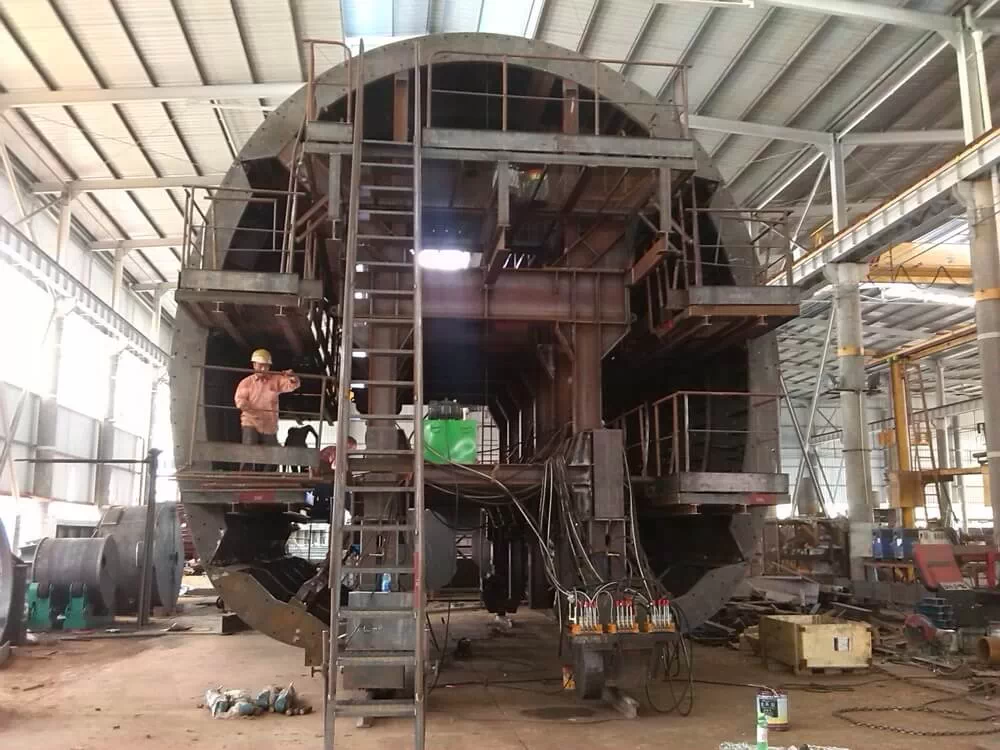
The factory itself tells you a lot about the supplier’s real capability. A serious steel structure manufacturer should have organized production areas, suitable machinery, skilled workers, and a regulated manufacturing system.
Important workshop indicators include:
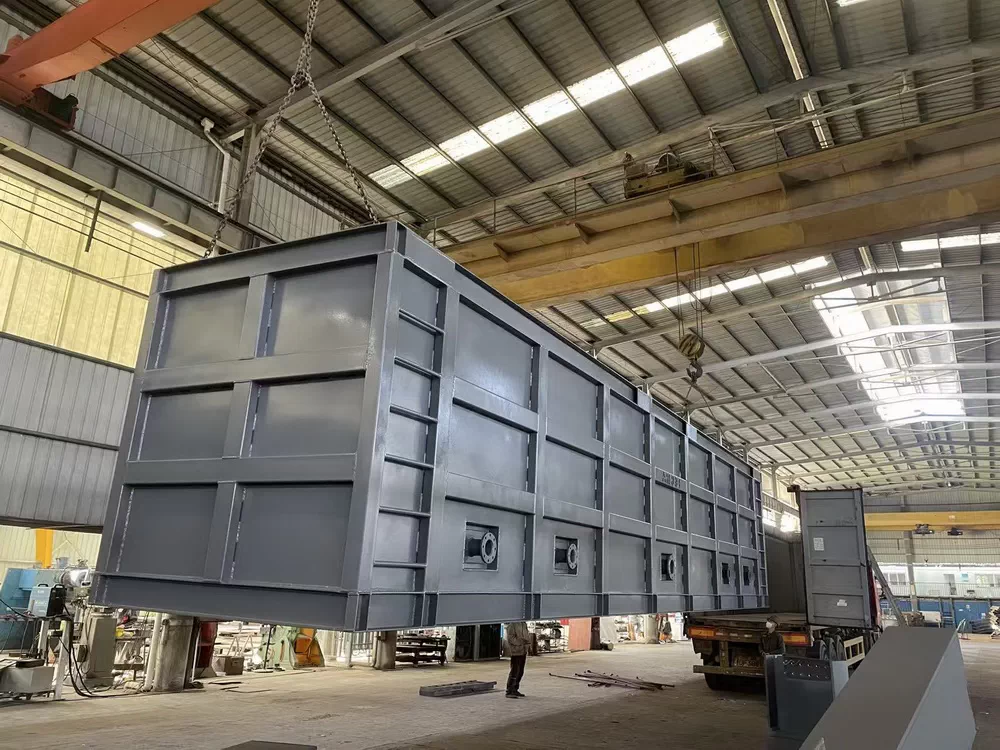
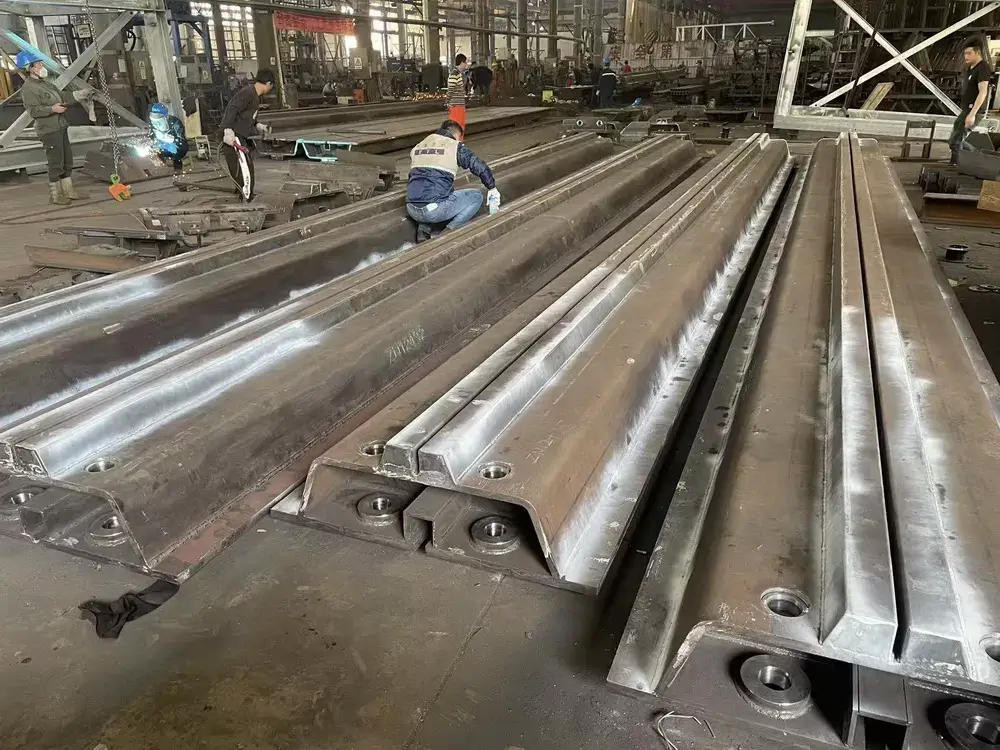
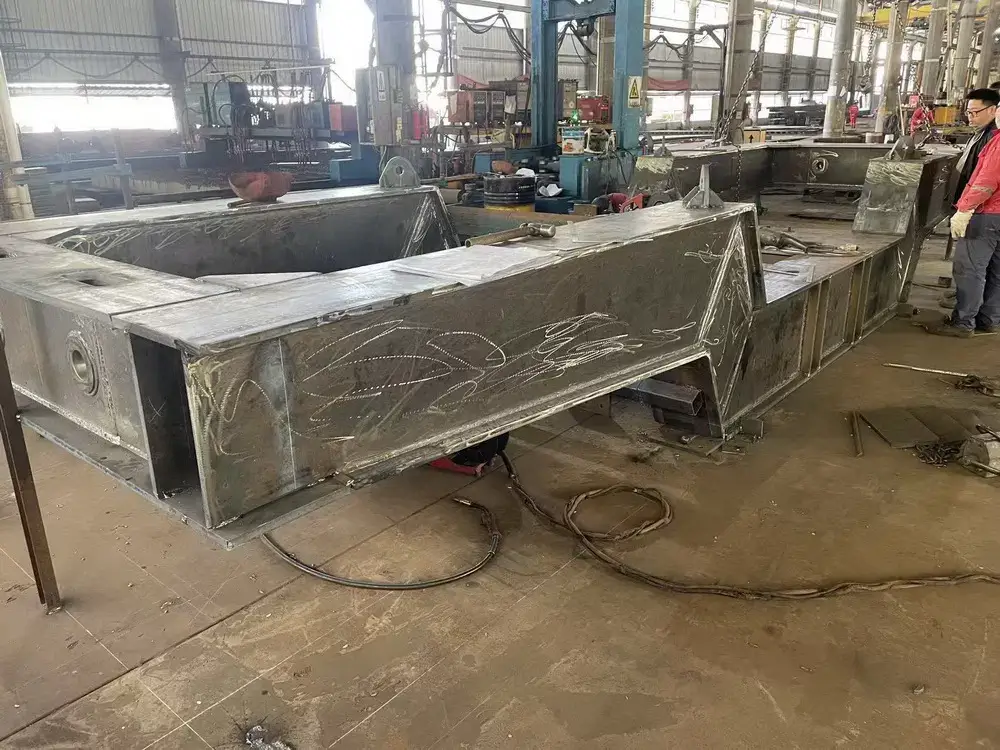
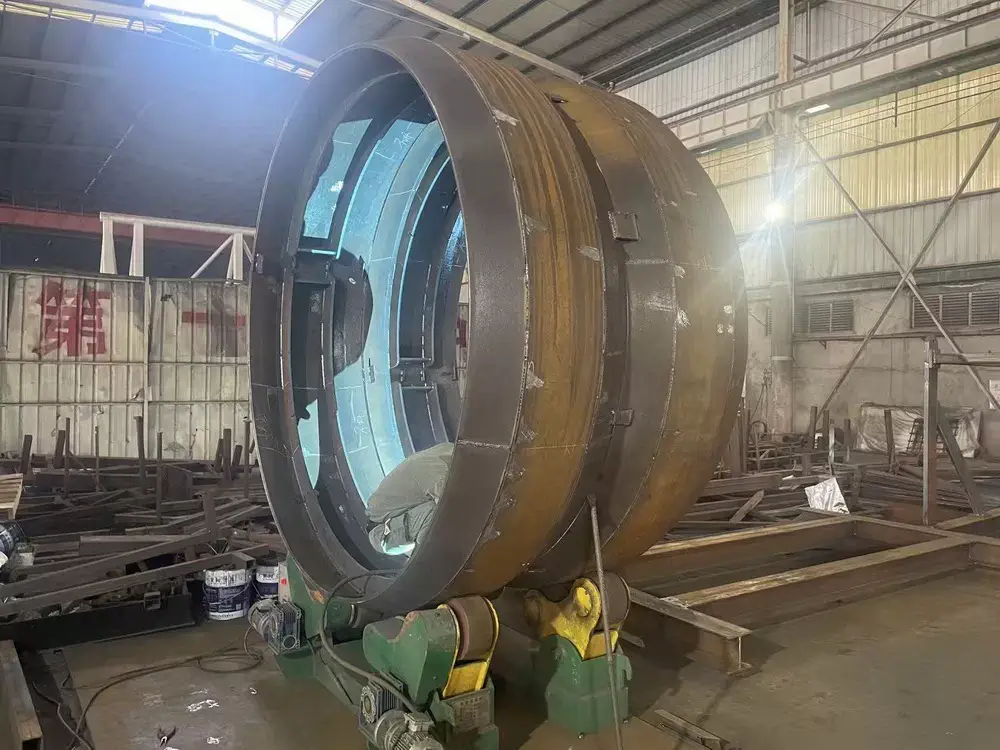
RH operates a 10,000-square-meter production and painting workshop with advanced facilities and a comprehensive quality management system. Its workshop includes high-power laser cutting machines and automated welding robots, helping ensure precise cutting and stable welding quality.
A good manufacturer must have more than equipment. It must also have a complete quality process. This includes raw material checks, in-process inspection, weld inspection, dimensional checks, and final inspection before delivery.
Strong quality control usually includes:
If a supplier cannot clearly explain its inspection process, that is a warning sign.
Projects often require compliance with different standards such as AS, EN, and ASTM. A professional steel structure manufacturer should be comfortable working according to project-specific standards, especially for overseas projects.
RH states that its welding and manufacturing processes comply with AS, EN, and ASTM standards, and it can also provide materials according to European, Australian, and American standards.
Manufacturing is only one part of the job. Packaging, container loading, export documentation, and shipping coordination are also essential. A reliable supplier should understand global delivery requirements and work with trusted logistics partners.
This matters because poor packing or weak loading plans can damage components or create unloading problems at the destination port.
To compare steel structure manufacturers effectively, buyers should avoid comparing only price. Low quotations may hide important differences in scope, materials, quality standards, surface treatment, inspection level, and delivery responsibility.
A smarter comparison method is to review suppliers across multiple dimensions.
| Comparison Factor | What to Check | Why It Matters |
|---|---|---|
| Experience | Years in business, similar projects, export history | Reduces risk and improves execution |
| Engineering Support | Shop drawings, detailing, design optimization | Prevents fabrication and installation errors |
| Factory Capacity | Workshop size, machinery, automation, output | Indicates ability to handle large or complex orders |
| Quality Control | Inspection process, weld checks, dimensional checks | Ensures compliance and reliable performance |
| Standards Compliance | AS, EN, ASTM, project-specific standards | Required for many international projects |
| Material Control | Certificates, traceability, procurement system | Important for quality assurance and documentation |
| Surface Treatment | Painting, galvanizing, coating control | Improves durability and corrosion resistance |
| Trial Assembly | Assembly capability before shipment | Reduces site installation issues |
| Logistics Support | Packing, loading, export documents, shipping | Improves delivery reliability |
| Communication | Response speed, technical clarity, reporting | Critical for project coordination |
| Price Transparency | Detailed quotation and scope breakdown | Prevents hidden costs and disputes |
| After-Sales Support | Technical response, issue handling | Helps solve problems efficiently |
To compare suppliers fairly, ask each one the same set of questions:
This side-by-side comparison makes it easier to identify the true strengths and weaknesses of each manufacturer.
A slightly higher quotation from an experienced steel structure manufacturer may actually save money overall if it reduces rework, site delays, and installation problems. Buyers should compare total value, including:
A good steel structure manufacturer combines technical expertise, production discipline, quality reliability, and customer-focused service. It is not enough to own machines or employ welders. The manufacturer must operate as a complete project partner.
Here are the characteristics that make a supplier truly strong.
A good manufacturer understands steel structures beyond basic fabrication. It knows how to read drawings, interpret specifications, identify production risks, and support practical construction needs.
This includes knowledge of:
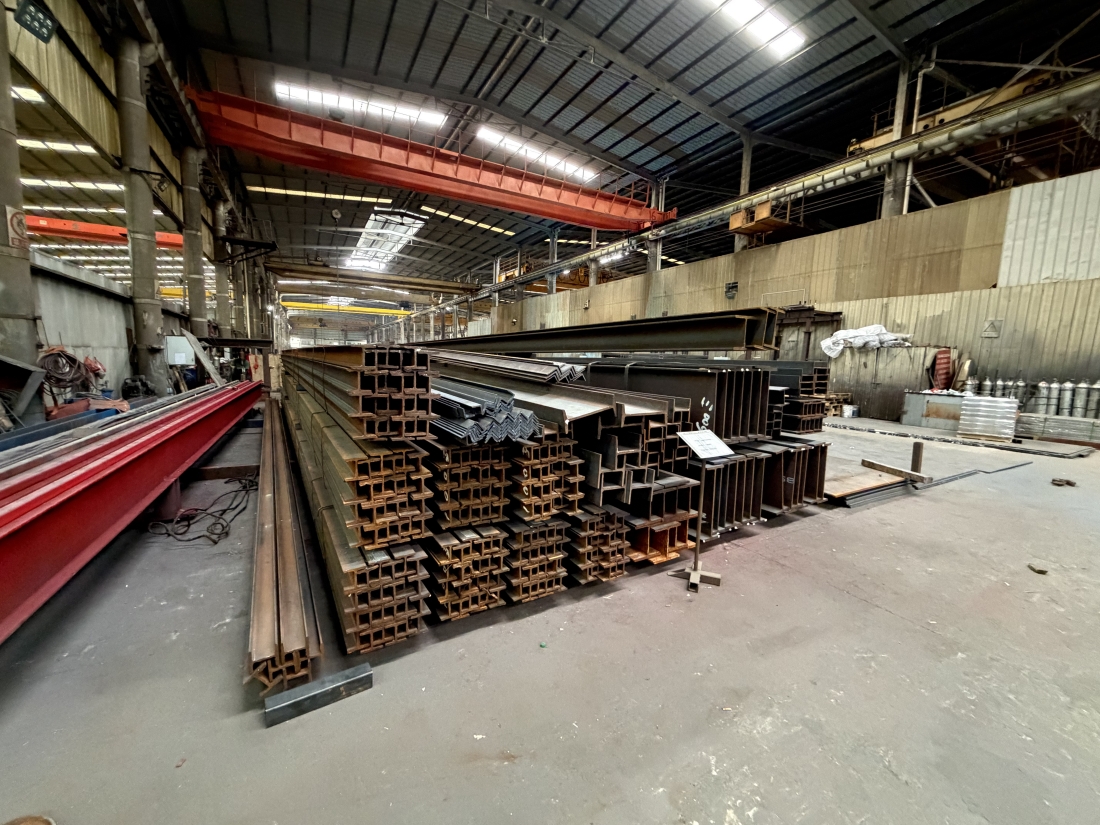
A high-performing factory is well organized. Materials are stored separately and clearly labeled. Cutting, welding, inspection, assembly, and painting are managed in a controlled sequence. This helps reduce mistakes and improve efficiency.
According to the RH website content, materials are stacked separately by type and specification with labels affixed. This is a good example of practical workshop control.
While skilled workers remain essential, modern equipment improves consistency and efficiency. Laser cutting machines help achieve precise dimensions and clean edges. Automated welding robots help maintain stable weld quality and joint consistency.
RH highlights advanced laser cutting and robotic welding as part of its workshop capability, which supports precise manufacturing and reliable customization.
A good steel structure manufacturer does not treat quality inspection as a final step only. Inspection should happen throughout the production process. Comprehensive inspections help ensure that each product meets standards and drawing specifications before shipment.
RH emphasizes that it has stringent quality inspection processes to ensure that all components pass inspection before delivery.
Today, many buyers prefer one-stop solutions. A manufacturer that can support detailing, procurement, fabrication, inspection, surface treatment, and logistics can simplify project management for the customer.
RH offers:
This type of integrated service is a strong advantage for overseas buyers.
Even strong factories can cause problems if communication is slow or unclear. A good manufacturer should respond quickly, confirm technical points clearly, and keep customers updated during production and shipment.
For export projects, communication quality often matters as much as production quality.
To evaluate a steel structure supplier, buyers should conduct both a technical review and a commercial review. This means you should assess not only the products, but also the supplier’s systems, service quality, risk level, and fit for your project.
Start by checking whether the supplier presents a clear business identity. A reliable company should show:
RH presents itself as a professional steel structure and steel formwork design and manufacturing company dedicated to global construction, bridge, industrial plant, and related fields. It also clearly lists contact information, products, and service capabilities.
Ask for examples of completed projects similar to yours. Try to confirm:
A supplier that has successfully handled projects for industrial, commercial, and civil use is more likely to understand different project requirements.
If possible, request factory photos, workshop videos, equipment lists, or live video calls. If a site visit is possible, even better.
Key factory points to evaluate include:
Before placing an order, ask the supplier what documents they can provide. These may include:
A serious steel structure manufacturer should be comfortable providing documentation as part of project control.
During the quotation and discussion stage, note how the supplier communicates. Good signs include:
Poor communication in the early stage often becomes a larger problem later.
Ask about:
RH notes that its factory is located just one hour from the seaport, which is a practical advantage for export logistics and efficient delivery.
The required certifications for a steel structure manufacturer can vary depending on your market, project type, and engineering specifications. However, buyers should generally look for a manufacturer that can demonstrate compliance with recognized standards and controlled production systems.
| Category | What Buyers Look For | Why It Matters |
|---|---|---|
| Manufacturing Standards | AS, EN, ASTM compliance | Confirms ability to produce to project specifications |
| Material Documentation | Mill certificates, material reports | Verifies material grade and origin |
| Welding Control | Welding procedures, welder qualifications, inspection records | Supports structural safety and compliance |
| Quality Management | Internal quality system, inspection workflow | Improves consistency and traceability |
| Coating / Surface Treatment | Paint specification compliance, galvanizing records if required | Affects durability and corrosion resistance |
| Traceability | Material marking and tracking system | Important for critical or regulated projects |
Many buyers assume that all steel fabricators can produce to the same quality level. In reality, compliance with standards requires process discipline, documentation, and technical understanding. If your project requires Australian, European, or American standards, the supplier should already be familiar with those systems.
RH states that it can provide steel materials in accordance with European, Australian, and American standards, and that its welding and manufacturing processes comply with AS, EN, and ASTM standards. This is especially important for international buyers who need a supplier capable of working with different code requirements.
Do not rely only on website text. Ask the supplier to provide supporting evidence such as:
This practical verification step helps confirm whether the supplier truly operates to the stated standards.
Verifying quality is one of the most important parts of selecting a steel structure manufacturer. Buyers should not wait until the shipment arrives to discover problems. Quality should be verified before production, during production, and before delivery.
Material quality is the starting point of structural quality. You should confirm that the supplier has a process for:
RH notes that materials are stacked separately by type and specification with labels affixed, which supports identification and control.
Ask how the factory ensures dimensional accuracy. Good indicators include:
RH uses advanced laser cutting to ensure precise dimensions and clean edges for all materials.
Welding quality is a major structural issue. Ask the supplier:
RH’s robotic welding capability helps improve joint strength, consistency, and overall structural integrity. Combined with inspection procedures, this supports dependable weld quality.
A reliable steel structure manufacturer should be able to explain inspection checkpoints throughout production. These may include:
RH states that comprehensive inspections guarantee each product meets standards and drawing specifications.
For many customized or complex projects, trial assembly is extremely valuable. It confirms that the overall dimensions and connection interfaces match the drawings before shipment.
RH notes that trial assembly confirms the product’s overall dimensions meet the drawing specifications. This can significantly reduce installation problems at the construction site.
Painting or galvanizing is critical for durability, especially in harsh environments. Ask what surface treatment options are offered and how the process is controlled.
RH can provide both painting and hot-dip galvanizing for surface treatment, which is useful for different project environments and corrosion protection needs.
For larger or higher-risk projects, consider arranging third-party inspection. This can help verify:
A confident manufacturer should be willing to cooperate with reasonable inspection requirements.
If you want a quick summary, these are the strongest signs that a supplier is worth serious consideration:
When many of these indicators are present together, the supplier is more likely to deliver stable quality and smoother project execution.
Based on the company information provided on the RH website, RH Engineering Co., Ltd. offers several strengths that international buyers often look for in a steel structure manufacturer.
Founded in 2016 and backed by more than ten years of industry experience, RH has worked on steel structure, steel formwork, and construction equipment projects used in industrial, commercial, and civil fields. This range helps the company understand different structural applications and customer expectations.
RH has a 60-member professional team covering design, fabrication, and quality control. Its services include detailed design, procurement, manufacturing, and project construction management, which supports one-stop project execution.
The company’s 10,000-square-meter workshop includes high-power laser cutting machines and automated welding robots. These facilities help improve manufacturing precision, efficiency, and weld consistency.
RH emphasizes stringent quality inspection processes before delivery. It also highlights dedicated workshop areas for material control, cutting, welding, inspection, assembly, and painting, which indicates a structured manufacturing flow.
RH can provide materials according to European, Australian, and American standards, and its fabrication processes comply with AS, EN, and ASTM standards. The company also works with trusted shipping companies for global logistics, which is important for overseas projects.
A steel structure manufacturer designs, details, fabricates, inspects, and delivers steel components used in buildings, industrial plants, warehouses, workshops, bridges, and other projects. Many manufacturers also provide surface treatment, packing, and export logistics support.
Check the company’s experience, factory capability, inspection process, engineering support, standards compliance, communication quality, and project references. Ask for sample documents and production evidence before placing an order.
Not necessarily. The lowest price may exclude important services or quality requirements. Buyers should compare total project value, including quality control, delivery reliability, and technical support, rather than unit price alone.
Standards and certifications help confirm that the supplier can produce steel structures according to required specifications. This is critical for structural safety, compliance, and project acceptance, especially in international projects.
You can request material certificates, inspection reports, dimensional records, welding inspection records, painting reports, packing lists, and shipping documents. These help verify quality and compliance.
Yes. A capable manufacturer can usually fabricate according to client drawings, project specifications, and custom dimensional requirements. Many also provide shop drawing support to convert concept designs into production-ready drawings.
Trial assembly helps confirm fit-up accuracy and overall dimensional correctness before shipment. This reduces installation risk and can save time and cost on site.
Selecting the right steel structure manufacturer is not only about finding a supplier who can cut and weld steel. It is about choosing a project partner that can understand your drawings, meet your standards, control quality, manage documentation, and deliver reliably.
If you want to make the best decision, focus on the essentials:
When these factors are evaluated carefully, you will be in a much stronger position to choose a supplier who can support your project successfully from design to delivery.
If you are looking for an experienced steel structure manufacturer for industrial, commercial, or civil projects, RH Engineering Co., Ltd. is ready to support you. We provide detailed design support, material procurement, certified fabrication, strict quality inspection, surface treatment, and global logistics solutions for overseas projects. With a modern 10,000-square-meter workshop, advanced laser cutting and welding equipment, and a professional team focused on quality and efficiency, we help clients complete projects on time and to required standards.
Contact RH Engineering today to discuss your drawings, request a quotation, or learn how we can support your next steel structure project with reliable manufacturing and export service.